
Blinds with AA and other SF folks
SF—Inner Sunset
Tasted Tuesday, July 14, 2015 by RajivAyyangar with 424 views
Introduction
Ashish and friends. Blind format with some Mediterranean takeout and some fun group-collaborative deductive tasting.
Flight 1 - Blinds (3 Notes)
I also brought three bottles I'd previously tasted (via Coravin):
1) 2002 Hyde de Villaine (a bit more apple-y and worn out than the first bottle I opened),
2) 2012 Nicholas Joly 'Clos de la Bergerie' Savennieres - lower acid, slight ox, and less wet-wool than when first opened.
3) 1995 York Creek Meritage - spot-on! This was really killing it tonight for me, though for Ashish it was too Bretty.
Flight 2 - Non-Blind Port (1 Note)
Yum!
Closing
Wine of the night for me was a tossup between the Tour Maillet and the York Creek. I'm leaning towards the Tour Maillet (I dig the pyrazines, what can I say).
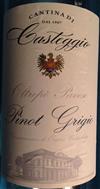
2013 Cantina di Casteggio Pinot Grigio Oltrepò Pavese 80 Points
Italy, Lombardia, Oltrepò Pavese
Summary:
Classic - subdued aromatics with no significant defining aromas. This wine is light overall with only moderate acidity and a touch of phenolic bitterness. A solid example of Italian Pinot Grigio.
Score: Around 8.
___________________
Blind 1: White Wine
Visual
Clear, day-bright, light straw in the glass, low concentration.
Nose
Low intensity, clean. Not much fruit here— a whiff of very faint greenness (pyrazines?). Some bitter grapefruit (thiols). No secondaries or oak. Youthful. Not complex.
As it warmed up I’m less sure of the pyrazines, and the fruit doesn’t resemble passionfruit. More generic white flower esters.
Palate
Dry, light body, medium-minus alcohol (I estimate 12%)
Moderate acid. Light phenolic bitterness.
Straightforward.
Initial conclusions:
This is a very light style. Old world wine from a cool climate. Possible styles:
Sauvignon blanc from Sancerre (given the pyrazines), though the acidity isn’t high enough, and phenolic bitterness doesn’t match.
Gruner veltliner (would have similar herbaceousness, though not grassy pyrazines. But this doesn’t have enough weight, or enough acid, or any white pepper.
My guess:
I think this is a bad structural call, but based on the pyrazines:
Sauvignon Blanc > France > Loire > Sancerre 2013, but not a good example.
Actually:
Cantinadi Casteggio Pinot Grigio, 2013, $13
Discussion:
The structure was dead on Pinot Grigio:
Light, moderate acid, phenolic bitterness, low aromatics.
The pyrazines was an initial impression that I’m surprised misled me.
Post a Comment / Do you find this review helpful? Yes - No
2012 Mas Doix Priorat Les Crestes 85 Points
Spain, Catalunya, Priorat
Summary:
Crunchy red cherry and bright blackberry with a kiss of well-integrated oak and zippy acidity that brightens a rich, ripe frame. An expressive if uncomplicated Garnacha.
Score: Around 8.5
--------------------------------
Blind 2- Red Wine
Visual:
Clear, day-bright. Bright red in the glass with moderate minus concentration and a bit of violet character. No gas or sediment. Moderate tears.
Nose:
Moderate intensity, hint of oxidation (bitter-almond acetaldehyde - probably due to the fact that it had been coravined over a month, though possibly stylistic).
Red fruit, some peach character - ripe. Hint of dark, dusty blackberries. No oak influence on the nose. [After the reveal and some air time, I re-tasted it and the nose had a bit more vanilla and overall sweet oak character.]
Youthful, straightforward.
Palate:
Fleshy red fruit. Alcohol is a bit elevated- 14%? [actually 14.5%]
Low plus tannins. Elevated acidity.
Ripe but also primarily savory.
Oak: I don’t get overt oak. Maybe a kiss of oak, along with some oxidative aging. Not much oak, or older barrels.
Youthful. Straightforward.
Initial conclusion:
Either a somewhat traditionally-styled new-world wine, or an old world wine in a modern style from a warm climate.
Based on the red fruits, alcohol, color, and low tannins, Grenache is a possibility, though the acidity is pretty high for Grenache.
The slight bit of oak would be unusual in Southern Rhone.
I think this is either a modern Tempranillo with very little oak, or a modern Grenache from Spain. Other things I considered: extremely ripe St-Joseph (color is too light and red for Syrah). New World Grenache - e.g. California (acid is pretty high and overall I’m not getting as ripe fruit). I’m pretty confused by this, but based on my premonition that it’s American oak, and Tim’s reminder that Spanish Garnacha can be higher acid, I’m going….
Garnacha, Spain. 2012.
Actual:
Les Crestes Priorat, Grenache, Spain, 2012!
80% Grenache, 10% Carignan, 10% Syrah
Les Crestes
Priorat
14.5%
$40-50
Discussion:
The producer website says the wine was vinified in stainless steel, then aged for 8 months in second-use French oak. This explains why I picked up very light oak. Also the Carignan and Syrah explain why there might be some acidic lift.
Post a Comment / 1 person found this helpful, do you? Yes - No
2000 Château Tour Maillet 91 Points
France, Bordeaux, Libournais, Pomerol
Summary:
This is a-typical for right-bank, but it’s in a grand place and drinking so well right now. I think it could go on for 5-10 years while still retaining fruit (and longer if you like Bdx more tertiary).
Score: Around 9.
-----------------------
Visual:
Medium plus concentration, dark red with some garnet, clear, just bright. No Gas or sediment, moderate tears.
Nose:
Moderate plus intensity, slight oxidation (signs of age).
Ripe sweet stewed bellpepper (pyrazines) with elegantly subdued ripe glossy-black sweet tobacco savoriness and some ripe red fruit. No overt signs of oak on the nose. Very slight hint of animal spice (brettanomyces).
The nose is well-developed and complex.
Palate:
Dry, medium body, med+ alcohol: 13.5% [correct, 13.5%]
Sweet cedar character (integrated oak and fruit), sweet stewed bell pepper (pyrazines), and subdued tones of ripe red fruit. Signs of well-integrated but new oak. (by this point I’m leaning heavily towards Bordeaux).
Acidity is medium to slightly elevated. This is balanced in an elegant classic way.
Tannins are elevated, with a nice satiny texture, showing some signs of softening from age (this must have been something of a tannic beast in its youth!).
[I forgot to note the finish]
This is complex, and has delicious savory secondary aromas and tertiary tones from maturation.
Initial Conclusions:
This is an old world wine from a moderate climate.
Possible styles:
Cabernet, Cab-Merlot blend, Merlot-Cab-Franc blend.
Possible Regions: France (the greenness with balance, and moderate body, and moderate fruit ripeness just shout out Old World).
Age Range: 10-15 years.
Laterals:
CA Cabernet: Alcohol and ripeness is moderate— I’d expect slightly more intense fruit or body from California. Such prominent pyrazine character and slight Brett aren’t unheard of, but aren’t typical of California.
Cab-Merlot blend from Tuscany: I feel like the ripeness would be higher, and the pyrazine character more subtle.
Chilean/other New World Cab: New Oak isn’t that common outside of California and Bordeaux.
Loire Cab Franc: With this kind of age, it would be unlikely to still be this rich and ripe. I’m thinking about the ’96 Taluau - the nose just isn’t as ripe, sweet, and the palate isn’t nearly as rich, high in alcohol, and polished. Acidity would probably be higher as well in Chinon/Bourgueil.
Bordeaux, Left Bank (Cab-dominant blend), due to the prominent pyrazine character, and a cooler/more difficult vintage like 2002, 2004, 2006 (around 10-15 years old).
Final Conclusion:
I’m going 2004, Bordeaux > St-Estephe (no strong reason, just the solidity of the tannins and the pure quality of the red fruit). Good quality producer (4th/5th growth or similar level).
Actual:
2000 Chateau Tour Maillet Pomerol (Right Bank Bdx), ~$45 (awesome price for 2000!).
100% Merlot
Discussion:
This is bizarre - simultaneously way too green to be a good example of merlot, but also has ripe fruit. Upon re-tasting, some plum and dark-fruit character is emerging, but I still think the correct call is cabernet based, since the wine is so pyrazine-driven. Maybe some parcels were ripe and some were green, and overall it ended up phenomenally balanced and age-worthy.
Post a Comment / Do you find this review helpful? Yes - No