
- > Monday night blinds
Monday night blinds
SF
Tasted Monday, September 14, 2015 by RajivAyyangar with 760 views
Introduction
AA's place.
Flight 1 - Non-Blind (wines I brought) (2 Notes)
Flight 2 - Blind (3 Notes)
I did the first wine orally, and the second two silently.
Things I learned:
- Remember generic Macon Chardonnay for non-aromatic whites with high acid and no phenolic bitterness.
2010 Earl Bayon-Pichon Pouilly-Fuissé Aux Morlays Manoir Du Capucin Flawed
France, Burgundy, Mâconnais, Pouilly-Fuissé
Blind:
Clear, just bright, moderately concentrated yellow in the glass. No gas or sediment, unexceptional tears.
Dry.
Nose:
Moderate intensity, non-fruit driven. Reductive and smells a bit burnt - burnt rubber, burnt match. Diminished aromatics other than the reduction. Not much fruit - a little green apple. No overt botrytis, lees, or malolactic. No signs of development, not very aromatic, not very complex.
Palate:
Possible singed wet-wool (which could be consistent with Chenin, but could also just be burnt-match reduction)
Dry, moderate alcohol - 12.5%
High acid - tart and no signs of softening from malo. No creaminess or washed cheese rind. No phenolic bitterness. There could be development here, but it's hard to say under the reductive aromas.
Old world, cool climate, not very aromatic. Possible styles are:
-Alsace Riesling - but there are no aromatics that I'd expect from Riesling.
-Pinot Gris - acid is too high.
-Chenin from the Loire: It's very clean. No ox and no botrytis. Alcohol is low for Savennieres. Vouvray - it would be a very dry style for Vouvray. I think maybe it could be an entry level.
Based on the high acid and suggestion of wooly lanolin tones, I'm going chenin blanc, in a dry style, entry level, from Saumur/Saumur-Champigny, relatively youthful, 2012 vintage. But I don't think that's a good call because it's not classic on the structure - it should be either Savennieres in which case it will have higher alcohol and probably oxidation, or it's Vouvray, in which case it will have a touch of RS. Either way, the aromatics are not the right character or intensity for Chenin, and in any case it's reductive, which further obscures the character.
Actual:
Chardonnay - Manoir du capucin
Pouilly Fuisse 2010
Macon chardonnay should have been included in the laterals because of the structure and distinctly non-aromatic style (if I assumed the intensity of aromatics was due to reduction).Post a Comment / Do you find this review helpful? Yes - No
2012 St. Francis Zinfandel Old Vines Sonoma County 85 Points
USA, California, Sonoma County
Blind:
Medium minus ruby, slight red at the rim.
Nose: Slight development, slight hints of toasty oak, very ripe cherry, ripe blackberry, bright red cranberry, blackberry jam. Slight black pepper.
Palate:
A touch of sweetness, possibly slight RS. <3g. Elevated alcohol - 14%. [actually 15%]
Medium plus body, elevated acid, light plush tannins. Light oak integration. Based on the lining of toast and vanilla/creme brulee, I'd guess 20% New French oak, or equivalent time in 1-3 years old barrels.
Possible styles:
Grenache-carignan blend from spain. Not old-world. Too clean.
Grenache from Australia - acid seems too high.
Zinfandel from US - consistent with millerandage, possible RS, thin-skinned, elevated alcohol, elevated acid, and oak usage. Tannins I'd expect to be a bit higher, but this seems in the realm of possibility.
I think this is relatively young - 2013. Zinfandel, Sonoma. Moderate quality. $40.
Actually: St Francis, 2012 Zin, Sonoma Coast, $19!
16 months in 100% French Oak of unspecified age.Post a Comment / 1 person found this helpful, do you? Yes - No
2010 Serafino Rivella Barbaresco Montestefano 89 Points
Italy, Piedmont, Langhe, Barbaresco
Blind:
Dull, light concentration ruby to a red rim.
Nose:
Moderate intensity, oxidative bruised apple notes. Slight animal character (Brettanomyces). Showing signs of development, savory tamari, sweet tobacco. Slight stemminess, fruit is subdued, sweet fresh cherry.
Earth driven in nature. Moist freshly-turned earth, forest floor, wet and dry leaves. No herbaceousness. Florals: dried rose poupourri.
Palate:
Medium bodied, elevated alcohol - 13.5% [14%]
Acid is just moderate.
Tannins are high, chewy, and chalky.
Definite phenolic bitterness, and also a dark chocolate that suggests used oak aging. Possible some time in used French oak.
Based on color intensity and structure, this is either Nebbiolo or Sangiovese (or aged CA Cab, but the rim hue and aromatics don't support that).
I think this is Nebbiolo - if it were Sangiovese, at this alcohol it would have more fruit, concentration to it. It would also probably be Brunello and probably would have clearer French oak influence. It's still a bit pretty for Nebbiolo - the acid is a bit lower than I'd expect.
But it's a really nice wine. I think this is a Nebbiolo, from Barolo or Barbaresco, Based on the prettiness and slightly diminished acid, I'm going Barbaresco (I'm not confident in this division), 2012 (slightly diminished acid, so I think it's from a recent warm vintage). Good quality producer. $40.
Actually 2010 Barbaresco Montestefano. $60-70Post a Comment / Do you find this review helpful? Yes - No
-
Where to Buy
-
86% Like It 7
-
What do you think?
I like it I don't like it
-
What do you think?
- My Cellar 0
- Tasting Notes 21
- Pro Reviews 2
- My Wish List 0
- My Private Notes 0
-
Community Holdings 155
- Pending Delivery (0%) 0
- In Cellars (17%) 26
- Consumed (83%) 129
- Top Stores
© 2003-26 CellarTracker! LLC. All rights reserved. "CellarTracker!" is a trademark of CellarTracker! LLC. No part of this website may be used, reproduced or distributed without the prior written permission of CellarTracker! LLC.
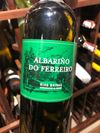
2013 Do Ferreiro Albariño Rías Baixas 79 Points
Spain, Galicia, Rías Baixas
I'm not a fan of the aromatics here. I tasted it against the Alzinger Steinertal Smaragd and the difference was stark - the fruit here seemed underripe and also a bit rotten. It has good typicity for Albarino - terpenes, elevated acid, phenolic bitterness - but it's not a great example in terms of quality.
------
Not blind - I brought this to the tasting.
clear, bright, pale straw, refl. yellow.
no gas or sed. m tears.
N: Moderate intensity, youthful, primarily savory. Slightly reductive.
Some bitter thiols, some overripe peach, Some canned peach. some aromatic elements - citrus and peach/stone fruit. Crushed stones. High mineral aromas - bitter crushed stones.
No botrytis. Fresh lime and rose petals.
Dry.
Medium body, moderate alcohol - 12.5%
Elevated acid.
slight phenolic bitterness. Lemony on the palate - not radish / no white pepper.
Semiaromatic grape, dry, no botrytis. Acid is a mix of malic and tartaric acid. possible yogurt/sour cream from slight malolactic fermentation, but acid is strong and still tart. partial malo?. No oak.
Pinot Grigio - too weighty and complex.
Gruner Veltliner - no white pepper or vegetal character, but it could be.
Pinot Gris - no RS, no botrytis, not
Alsace Riesling - acid isn't high enough, aromatics aren't really in that wheelhouse.
Quality: moderate to entry-level. Medium minus finish.
Post a Comment / Do you find this review helpful? Yes - No
2013 Alban Vineyards Viognier 88 Points
USA, California, Central Coast
Great example - It tasted like the textbooks say. Not my favorite style, but a compelling wine.
---------
Not blind - I brought this.
moderate concentration lemon, refl. of gold. clear, day-bright.
m tears.
RS: slight, maybe 3g/L.
N: Elevated intensity, very ripe white flowers, slight lychee, overripe honeydew, predominantly ripe to overripe peach, ripe nectarine. Syrupy peach. Youthful.
Full-bodied, elevated alcohol - 14.5% [15.3%]
Acid is diminished, clear phenolic bitterness.
No botrytis, yet super-ripe.
No malolactic.
no lees stirring.
Alsace Gewurz? - no botrytis, relatively dry, also the nose is more on the canned peach cocktail terpenes than the rose syrup and lychee that I associate with Gewurz. Another clue could be that this feels almost oily - it's hefty. Even with higher alcohol, Gewurz usually doesn't feel this unctuous unless there's significant RS. Also this seems very clean and New-World, though it could also be Condrieu.
Albarino? - Alcohol can get high in Rias Baixas, I've heard, but this is super high, and also acid is diminished.
Condrieu vs. CA Viognier: I don't know how to distinguish these, I would think the extremely clean and intense fruit with raging high alcohol and diminished acid would say California, but my friends thought it was consistent with Condrieu.
Post a Comment / 1 person found this helpful, do you? Yes - No