
- > Pre-Exam Blinds at RN74
Pre-Exam Blinds at RN74
RN74
Tasted Friday, September 25, 2015 by RajivAyyangar with 454 views
Introduction
Picture: https://www.evernote.com/l/ABZd37qH95hNi6yg27123Ky9blmARTV1MGg
Some exam prep with dinner, just before I passed my Certified Somm exam.
Overall: My alcohol calls were all a bit higher than reality - maybe I was just a bit too sensitive. In the future I plan to focus more on the burn. Also I think calibration will come with time.
Flight 1 - Whites (3 Notes)
Flight 2 - Reds (4 Notes)
Verne added a taste of the Barolo because Tim guessed Barolo on the Valentin.
2008 Château Valentin Haut-Médoc 88 Points
France, Bordeaux, Médoc, Haut-Médoc
Medium ruby, hint of red at the rim, (slight development).
Developing. This has bruised apple oxidative tones. Dark fruit - blackcurrant, blackberry, very slight brett - dog fur, slight VA, savory tobacco with sweet tamari notes of age, slight influence of new oak - faint clove/nutmeg (40% new). Slight herbaceousness, maybe ferns or mint but I'm not going to call pyrazines here. On the nose, this is in a great place right now.
Full bodied, high alcohol (14.5% - this is way off - actually only 13%)
elevated acid, medium plus tannins.
Relatively subdued fruit on the palate - not a lot of concentration.
We have an aged wine (~10 years?) with new oak, medium concentration of color, medium plus tannins, and high alcohol. I'm waffling between Bordeaux and California Cab.
A moderate/entry-level CA Cab from the 90's might have subdued fruit like this, and high alcohol (though I'd expect more fruit intensity, and also the Brett isn't characteristic except for a handfull of producers). A Bordeaux wouldn't have this high alcohol, though the fruit character is consistent.
Based on the structure and lack of merlot plum/milk-chocolate, I'm betting this is almost all Cab, if it is a blend.
I'm guessing this has some age, 1995. Structured. Napa Valley.
Actually: 2008 Ch. Valentin, Haut-Medoc
80% Cab, 10% Petit Verdot, 10% Merlot.
Fermentation in cement vats, finished in 2-3 year barrels.
Discussion:
I think I made an OK call, given my mis-read on the alcohol. Tasting it again, the alcohol still sticks out to me, but I think that's because it's just disjointed and falling apart a bit. 2008 - it's way younger than I thought, but shows development. If the light were better I'd probably be able to see the color doesn't show age as much as a '95 would.
Still, though, I think this is pretty damn good for $20.Post a Comment / Do you find this review helpful? Yes - No
2014 Jean-Louis Dutraive (Domaine de la Grand'Cour) Fleurie Clos de la Grand'Cour 85 Points
France, Burgundy, Beaujolais, Fleurie
Medium ruby to a ruby rim. On the nose, slight signs of age. Fernet Branca - herbal. Red fruit, red cherry-confected (carbonic maceration / whole cluster).
Light body, medium alcohol (12.5%).
High acid - tart malic (hasn't gone through malo, I'm guessing).
No tannins to speak of.
Light and fruity, with some earth and some development. I'm guessing Cru Beaujolais, a lighter style.
Laterals: Pinot: wouldn't have this same tartness on the finish - probably would have gone through malo. Also the carbonic character is too extreme for a good example of pinot.
Final conclusion: This is a 2012 (some development) from a lighter-styled village like: St. Amour, Fleurie, Chiroubles, NOT Morgon, Moulin-A-Vent.
Actual: 2014 Jean-Louis Dutraive (Domaine de la Grand'Cour) Fleurie 2014.
Discussion: Seems spot-on except for vintage - calibration on color and the aromatic traits of development might help me call age more accurately.Post a Comment / Do you find this review helpful? Yes - No
2012 Charles Joguet Chinon Cuvée Terroir 86 Points
France, Loire Valley, Touraine, Chinon
Medium minus ruby.
Very strong fresh-cut green bell pepper. Malo - buttered popcorn. Slight brett - dog fur variety. Red fruits - dark cherry, tart cranberry.
Medium body, medium alcohol - 12.5%
High acid - very tart, makes you squint.
Tannins - medium minus, drying.
Slight carbonic / whole cluster character.
Some development maybe.
All of this is consistent with: Chinon Cab Franc. 2013.
Actually: Chinon, Joguet, 2012.
Discussion: Booyah.Post a Comment / Do you find this review helpful? Yes - No
2009 Cascina Fontana Barolo 90 Points
Italy, Piedmont, Langhe, Barolo
(Non-Blind)
Delicious dark savory liquorice, savory nose. Shiny. Palate: high acid, high alcohol, high tannins. Chewy. Delicious!
Score: Around 9Post a Comment / Do you find this review helpful? Yes - No
Flight 3 - Dessert Wines (3 Notes)
2012 Willi Schaefer Graacher Domprobst Riesling Auslese 88 Points
Germany, Mosel Saar Ruwer
Light gold.
Light waxy saffron botrytis notes. Very green apple-y character. This smells like St. Dalfour blackcurrant preserves!!!!. Slight VA. Fruit-forward nose.
Medium sweet - around 40g/l
High acid. Medium plus finish - lemony.
Low alcohol - ~10% (actually lower, around 8.5%)
Riesling, Germany, Mosel, Auslese, 2013, good quality.
Actual: Riesling, Germany, Mosel, Auslese, 2013.
2012 Willi Schaefer Graacher Domprobst Riesling AuslesePost a Comment / Do you find this review helpful? Yes - No
2007 Domaine Huet Vouvray Moelleux Clos du Bourg 87 Points
France, Loire Valley, Touraine, Vouvray
Light gold: waxy saffron botrytis, green apple, ripe apple. blackcurrant jam.
Similar Sweetness - a bit higher, maybe 60g/l
Alcohol is diminished - ~11%.
High acid.
medium body.
Conclusion: Also Riesling Spatlese 2013, mosel.
Actually this is a Vouvray Moelleux
Acid is slightly lower than the first wine
Should I have picked up on some secondaries!Post a Comment / 1 person found this helpful, do you? Yes - No
2012 Château Roûmieu-Lacoste 87 Points
France, Bordeaux, Sauternais, Sauternes
medium plus concentration gold in the glass. Toasty, slight matchstick reduction, toasty brown rice, saffron botrytis, savory, slight smoked meart. Elevated alcohol - 14%%. Slight robitussin flavor. RS: ~170 g/L. Sweet. Elevated acid. Slight oak on the finish!!!! toasty savory. Bitterness - probably oak.
Conclusion Sauternes - 2009 (warm vintage - ripe)Post a Comment / Do you find this review helpful? Yes - No
-
Where to Buy
-
100% Like It 7
-
What do you think?
I like it I don't like it
-
What do you think?
- My Cellar 0
- Tasting Notes 9
- Pro Reviews 1
- My Wish List 0
- My Private Notes 0
-
Community Holdings 66
- Pending Delivery (0%) 0
- In Cellars (11%) 7
- Consumed (89%) 59
- Top Stores
© 2003-26 CellarTracker! LLC. All rights reserved. "CellarTracker!" is a trademark of CellarTracker! LLC. No part of this website may be used, reproduced or distributed without the prior written permission of CellarTracker! LLC.
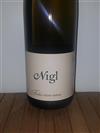
2013 Nigl Grüner Veltliner Freiheit 83 Points
Austria, Niederösterreich, Kremstal
Score: This is just not very aromatic or expressive as Gruner. I had a tough time calling this blind, waffling between entry-level gruner and albarino.
Between 8 and 8.5.
-------------
Medium minus gold. Not very aromatic, medium minus intensity, semi-aromatic varietal given the hints of peach/stone fruit, slight fresh floral traits, hint of smoke/earth, slight development / bruised apple.
Dry, medium body, slightly elevated alcohol - 13% (I think it was lower, actually)
Acid is high - strong tartaric and puckering malic.
Light but clear phenolic bitterness.
Old world, cool climate, semiaromatic, slight phenolic bitterness.
Chenin Blanc - too low alcohol for Savennieres, no rs so probably not vouvray. Also no botrytis and there's phenolic bitterness (not characteristic of chenin)
Pinot Grigio. No - too aromatic, and the acidity is fairly high. It could be this but there are some terpenes on the nose that make me think Gruner/Albarino.
Pinot Gris - acid is way too high. Also there's no rs.
Riesling - Aromatics could be a very subdued entry-level riesling from Alsace in a super-dry style (often I pick up on 3-6g RS). But there's phenolic bitterness which is not typical of Riesling at all.
I think it is one of these two:
Gruner Veltliner - no white pepper, nose is more peach than melon, don't get any radish vegetal character. It could be a steinfeder from Wachau or similar from kremstal or kamptal, but it's super light and not that aromatic.
Albarino. - Process of elimination. Albarino? Not floral enough, not peachy enough, too earthy and subdued, but I'm going with this based on lack of savory character and lack of white pepper.
Conclusion:
Spain, Albarino, 2013, entry-level producer.
Actual: Nigl, "Freiheit" Gruner Veltliner, Kremstal, 2013
In hindsight, some light radish character, but this was super low-intensity nose for Gruner (and yes, I'm comparing it to Alzinger Smaragds). I'm not terribly unhappy with this call, seeing as I had Gruner as a lateral.
Post a Comment / 1 person found this helpful, do you? Yes - No
2014 Domaine Hippolyte Reverdy Sancerre 83 Points
France, Loire Valley, Upper Loire, Sancerre
Medium minus lemon.
Moderate intensity cut grass (pyrazines), moderate intensity grapefruit/passionfruit/grapefruit pith aromas (thiols). Crushed stones. No oak, botrytis, malolactic aromas, or evidence of lees stirring/aging.
Dry, medium minus body, medium alcohol (slightly elevated at 13%?).
High acid, no phenolic bitterness.
Based on clear pyrazine and thiol character, this is sauvignon blanc. Intensity of thiols and pyrazines isn't sufficient for NZ Sauv blanc (machine harvesting tends to increase pyrazined and the warmer climate and canopy management cause more intense thiols). So classically (and this does seem classic), I'd go for Sancerre, 2012 (slight development, a bit warmer year). Moderate plus quality - this is as good as any Sancerre I've had in recent memory.
Actual: It is sancerre, but 2014, not 2012.
Discussion: I question my assessment of development. Also on vintage - 2012 was pretty normal for Sancerre, not hot (it was hot in Piedmont). 2014 was the best recent year according to Jancis, so that would be consistent with my observation that it's pretty good for the style (I don't believe I could really call vintage here, but it's a good exercise to think about general vintage traits in the Loire).
Score: Typical of the style but not really doing anything for me. Between 8 and 8.5.
Post a Comment / 1 person found this helpful, do you? Yes - No
2011 Moreau-Naudet & Fils Chablis 88 Points
France, Burgundy, Chablis
I liked this a lot - good oak integration and high acidity, with a lemon-curd character and some mushroomy development. I'm confused by it though:
-------------
Light gold.
Slightly reductive, well-integrated oak influence, maybe 50% new barrels. Mushroomy development, some oxidative notes, this has some age. Strong lemon curd. Clear vanilla oak, but super well-integrated. Earthy - stones, wet stones. Toast, some butteriness (malo).
Dry. Medium plus body, ~13.5% alcohol (probably lower), high acid (strong tartaric, probably went through malo), no phenolic bitterness.
Moderate plus finish.
Oak influence and winemaking style points to Chardonnay. Earth-driven nature, moderate alcohol, and high acidity points to Old World > Burgundy. Oak influence points away from Chablis to the Cote d'Or. Here my reasoning gets fuzzy and I just pick a more moderate-intensity appellation:
2005 Puligny Montrachet. Premier Cru.
Actually: Moreau-Naudet Chablis, 2011
Made in neutral barrels with no toast, leading to more oxidation?
Discussion:
Some research suggests the producer is a-typical. My main confusion is whether I picked out oxidation and malolactic/lees as oak, mistakenly.
"These are not your brittle, simple ‘Chablis-by-numbers’ where acidity is oft confused as minerality. Here the style is born of low yields and ripe fruit and that crunchy, citric, acid tang of generic Chablis finds itself replaced by an intense, mineral freshness interwoven through pulpy, sexy fruit...This makes sense - Moreau methods - which include ploughing, organic viticulture, hand-harvesting, whole berry pressing, natural yeast fermentation, natural settling, long slow elevage in large oak - sound identical to the best growers of the Côte de Beaune. Low sulphur is another key to understanding the wines. It’s all very un-Chablis."
Low sulphur might be the reason we thought it was older than it is - premature oxidation.
Post a Comment / Do you find this review helpful? Yes - No