
- > WSET Diploma Unit 3 - Rhone and Spain
WSET Diploma Unit 3 - Rhone and Spain
SF
Tasted Saturday, February 4, 2017 by RajivAyyangar with 281 views
Introduction
I missed the first two days, this is the 3rd day of class.
Flight 1 (3 Notes)
Flight 2 (9 Notes)
2014 E. Guigal Condrieu 86 Points
France, Rhône, Northern Rhône, Condrieu
(non-blind)
low-temp fermentation
2/3 ferment stainless, 1/3 ferment in new barrels, 100% malo
100% new oak elevage
Medium lemon color.
Clean, elevated-intensity nose. (pronounced)
- fruit-loops (ripe peach, apricot, slight cream - sourcream or buttercream from lees or oak?)
- could be malo but probably they wouldn't do malo because of the already-low acidity.
- citrus - meyer lemon
- white flowers, orange blossoms, acacia
- clearly terpenic
Palate
- dry, medium plus body
- medium plus alcohol - 13.5%
- medium acid
- medium plus phenolic bitterness
- medium plus finish - mostly fruit loops and peach
- slight evidence of buttercream (oak) on the finish
- no evidence of oak on the palate.
- slight leesy note
A very good Condrieu, well-balanced alcohol and fruit against the acid.
A persistent finish.
The wine shows excellent depth of flavor and complexity with numerous primary and secondary flavors. In a better example, the bitterness would be less angular.Post a Comment / 3 people found this helpful, do you? Yes - No
2015 Cave de Tavel Tavel Lauzeraies 82 Points
France, Rhône, Southern Rhône, Tavel
(non-blind)
Medium pink (not salmon)
Medium minus intensity nose
- faint strawberry, slight peach
- cranberry, ripe orange
- dry leaves - earth
- watermelon rind
- slight red flowers
On the palate:
Dry, medium bodied
medium plus alcohol - 13%
medium plus acid
savory-sweet midpalate - slightly toasted strawberries
Slight phenolic bitterness
short finish
A good quality Tavel AC. Expressive aromatics of primary fruit, and well-balanced palate with bright acidity. The flavors on the mid-palate are clear and well-integrated, however better examples would have less-prominent alcohol and less bitterness on the finish. Complexity, although typical, is not as much as the best examples.Post a Comment / Do you find this review helpful? Yes - No
2012 E. Guigal Côte-Rôtie Brune et Blonde 88 Points
France, Rhône, Northern Rhône, Côte-Rôtie
50% new oak, 36 months
96% syrah
4% viognier
(non-blind)
Medium plus ruby (deep ruby in WSET-speak)
Medium intensity aromas
- blackberry, black cherry
- violets, red flowers
- smoked meat and slight burnt rubber and char (reduction)
- earth
dry, medium plus body, medium plus alcohol 13.5%, medium plus acid, medium tannins.
slight impression of cinnamon and toast (some time in used oak). Medium flavor intensity.
medium plus finish with slight ripe peach.
A very good-quality Cote Rotie AC, possibly from a less-ripe year. Intense primary and secondary aromas are already well-integrated on the palate, thought the wine appears youthful. There's some complexity here already - though complexity and integration will increase over time. Elegant balance with crisp acidity, and supple tannins. A modest use of new oak adds complexity and integration. The wine lacks the depth of flavor of the best examples, and the tannins need time to soften and integrate.Post a Comment / 1 person found this helpful, do you? Yes - No
2014 Domaine de Verquiere Côtes du Rhône Villages Plan de Dieu 81 Points
France, Rhône, Southern Rhône, Côtes du Rhône Villages Plan de Dieu
$14
14%, 80% Grenache, 20% Syrah
(non-blind)
Medium minus ruby color.
Medium intensity nose
- ripe red cherry, black cherry
- slight cranberry (millerandage?)
- brown mushroom
- dried leaves
- dried flowers
Dry.
medium plus bodied
High alcohol - 14%
Medium minus flavor intensity
Medium acid
medium tannins - a bit harsh and bitter.
medium finish
Slight liquorice on the midpalate.
This is a good Cotes-du-Rhone Village AC wine, primarily Grenache with some Syrah. It's balanced by crisp moderate acidy and well-textured tannins. Compared with the best examples of Rhone GSM blends, this wine has less complexity of fruit and secondaries, less suppleness of texture, and less-well-integrated flavors on the palate.Post a Comment / Do you find this review helpful? Yes - No
2012 Domaine Olivier Hillaire Châteauneuf-du-Pape 84 Points
France, Rhône, Southern Rhône, Châteauneuf-du-Pape
(non-blind)
Medium-minus ruby-crimson.
Medium plus intensity nose
- baked strawberries, strawberry jam, ripe red cherry, slightly confected cherry, red liquorice (possible carbonic maceration)
- slight ripe plum
- tertiary notes of leather and earth, dark-chocolate, and dried violets.
Mostly dry with a possible hint of RS (2-3g)
Full-bodied, with high alcohol (14.5%), medium acidity and medium plus tannins (rounded).
Pronounced flavor concentration mid-palate.
Long finish.
This is a very good Grenache-dominant Chateauneuf-du-Pape AC wine. There's vibrant and complex primary fruit, along with well-integrated secondaries. The palate is balanced, though in a ripe, full-bodied way. The finish is long and lingering. It has less secondary and tertiary complexity of the best examples of the region, but is nonetheless very good.Post a Comment / 1 person found this helpful, do you? Yes - No
2014 La Conreria d'Scala Dei Priorat Black Slate Escaladei 86 Points
Spain, Catalunya, Priorat
$20
14.5%
80% Garnacha, 20% Cariñena
(non-blind)
Deep ruby - darker than the other two with a hint of purple (carignane?).
Medium plus intensity aromatics
- ripe strawberry jam
- black cherry jam
- dried blueberry
- hint of vanilla spice (oak)
- bruised starfruit (development)
Dry, full-bodied, high alcohol (14.5%), medium plus acidity, medium plus tannins (a bit coarse).
Pronounced flavor intensity.
Persistent finish.
This is a good Priorato DOCa - it shows intense primary fruit - both red and black - as well as a balanced richness on the palate. It does not have the well-integrated oak and tertiary complexity of the best Priorats.
20 day maceration
20 months in French and American oak (don't know the percentage new)Post a Comment / 1 person found this helpful, do you? Yes - No
2015 Bodegas Angel Rodriguez Verdejo Rueda Martínsancho 84 Points
Spain, Castilla y León, Rueda
Verdejo
13% alcohol, $16
(non-blind)
Pale lemon color.
Clean medium plus intensity nose reminds me a low-pyrazine NZ sauv blanc
- slight passionfruit and lemon
- baked stones
- Hint of oxidation - bruised passionfruit
- lack of malo aromas (also acid seems like it has a lot of tart and rough malic character)
- seems like there are slight lees
Medium minus body, medium plus alcohol - feels 13.5% (actually 13%).
Medium plus acid, just very slight bitterness - but it's not really phenolic bitterness. Seems like maybe coarseness from variable ripeness or poor winemaking. Medium minus finish. Low complexity.
This is a very good Rueda DO - It has expressive primary fruit aromas, crisp acidity. It's not complex, but that is typical of the region. There are better examples in the region that have better integration and length. Also there's a slightly wilted / prematurely oxidized note which suggests it should be drunk earlier rather than later.
84 - I like the nose, but the palate isn't that well integrated.Post a Comment / Do you find this review helpful? Yes - No
2015 Bodegas Eidosela Rías Baixas Neboa 82 Points
Spain, Galicia, Rías Baixas
(non-blind)
Medium lemon color.
Nose is initially a bit stinky and quite yeasty - smells like yeast packets, or peptone yeast extract (lees contact / resulting in reduction - faint egg yolks - as well).
Medium plus intensity aromas of white flowers and stone fruit - peach, nectarine.
Dry, medium plus body, medium plus alcohol - feels like 13.5% (actually 13%). Medium plus acid, low bitterness (but the phenolics are there). There's more prominent ripe peach and canned peach flavors on the midpalate. The finish is medium minus in length, fades quickly into tart acid, and it's not complex.
Diploma-style Quality Note: This is an acceptable Albariño from Rias Baixas DO. It is a bit acid-deficient given the ripeness and elevated alcohol. In addition there is not a lot of complexity, integration is clumsy at best, and leesy/reductive aromas dominate the peach and floral notes.Post a Comment / Do you find this review helpful? Yes - No
2011 Bodegas Lambuena Ribera del Duero Crianza 70 Points
Spain, Castilla y León, Ribera del Duero
$20
14.5%
15 months in 60% American, 40% French oak
90% Tinto del Pais (Tempranillo), 10% cab and merlot.
(non-blind)
Deep ruby color - nearly opaque.
There's something like burnt rubber and coin polish (ethyl acetate/VA?) in the nose - the off-aromas are making me wonder whether it's a non-sulfured wine - doesn't seem to be.
Dry, full-bodied, high alcohol - feels 14.5% (correct), Medium plus acid, High tannins - chewy. Finish is persistent but not complex or evolving.
On the palate, there is black fruit - black cherry, dark chocolate (evidence of time in new and used oak, probably French).
This is a slightly faulted, very good Crianza level Ribera Del Duero DOPost a Comment / Do you find this review helpful? Yes - No
-
Where to Buy
-
100% Like It 7
-
What do you think?
I like it I don't like it
-
What do you think?
- My Cellar 0
- Tasting Notes 12
- Pro Reviews 0
- My Wish List 0
- My Private Notes 0
-
Community Holdings 207
- Pending Delivery (0%) 0
- In Cellars (28%) 57
- Consumed (72%) 150
- Top Stores
© 2003-26 CellarTracker! LLC. All rights reserved. "CellarTracker!" is a trademark of CellarTracker! LLC. No part of this website may be used, reproduced or distributed without the prior written permission of CellarTracker! LLC.
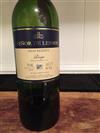
1998 Bodegas Casa Juan Señor de Lesmos Rioja Gran Reserva 85 Points
Spain, La Rioja, Rioja
(blind)
Color:
- medium minus garnet with a tawny rim - quite developed
Nose:
- developed nose, sweet dried indistinct fig and browned apple (oxidation / acetaldehyde)
- slight earth, hints of dry forest floor
- possible brett
- slight barnyard / manure
- dried red cherry - faint
- medium minus intensity
Palate:
- dry
- medium body
- low flavor intensity
- medium plus alcohol - 14%
- high acid
- medium plus tannins - melted due to age
- short finish
Laterals:
- Chianti
- Brunello
- Piedmont Nebbiolo
Based on the relatively low tannins compared to the acidity, this is a Chianti Classico, Sangiovese, 10-15 years old given the developed nose and garnet-tawny color.
Based on the lack of fruit, low flavor intensity mid-palate, and short finish, this is a good entry-level Chianti DOCG or a Chianti Ruffina (given the searing high acidity)
Actually: Rioja Gran Reserva
Analysis: I totally missed the oak influence. Upon tasting it again, I get some dill and some coconut - faded oak.
$30
13% alcohol
85% tempranillo, 15% mazuelo
Post a Comment / 1 person found this helpful, do you? Yes - No
2012 Bodegas LAN Rioja Crianza 82 Points
Spain, La Rioja, La Rioja Alta, Rioja
(blind)
color: medium minus ruby
nose:
- medium intensity
- developing aromas
- prominent ripe red cherry
- slight earth and manure
(missed the oak)
Palate:
- dry
- medium bodied
- medium plus alcohol - 14%
- high acid
- medium plus tannins - papery and less developed
- low flavor intensity
- short finish
Laterals:
- Chianti
- Brunello
- Piedmont Nebbiolo
Based on the relatively low tannins compared to the acidity, this is a Chianti Classico, Sangiovese, 2-3 years old given the youthful nose and vibrant color.
Based on the lack of fruit, low flavor intensity mid-palate, and short finish, this is a good entry-level Chianti Classico (not riserva - what's the classification?).
Actually: This is crianza rioja - Bodegas LAN, mix of american and french oak. 2012
Analysis: I totally missed the oak.
Post a Comment / Do you find this review helpful? Yes - No
2012 Cesari Amarone della Valpolicella Classico 81 Points
Italy, Veneto, Valpolicella, Amarone della Valpolicella Classico
(blind)
color: medium ruby
nose:
- distinct note of wet coffee grounds, suggesting possible oak or maybe pyrazines
- medium minus intensity nose
- very low presence of fruit
palate:
- dry
- medium body
- medium plus alcohol - 14% - high alcohol
- high acid
- medium flavor intensity
- medium plus tannins
- medium finish
- wet coffee grounds
- There might be also freshly-cut bell pepper, suggesting pyrazines... not sure about this.
Laterals
- Loire cabernet franc (alcohol too high, too clean?)
- Chilean carmenere (the tannins seem a bit high and there's not oak)
Given the elevated alcohol and lack of earth, this is likely a Chilean Carmenere, 1-3 years given the youthful aroma and color.
I believe this is a good entry-level Chilean Carmenere, based on the balance between ripeness and tannins and acidity, medium finish, moderate flavor intensity and integration, and elevated ripeness (relative to its category).
Actual: This is an amarone - low end.
has ripe plum, ripe peach. but not that fruity.
Italy:
- each DOCG is run by a Consorzio, and they are all different.
- in Valpolicella, rules are very liberal as to who can make Amarone.
- you can have cab
- this is a value amarone
Amarone's either go fruity or chocolatey-coffee. This is made to the chocalatey-coffee taste.
- 75 corvina, 20 rondinella, 5 molinara (adds acidity). ~14.5%
Post a Comment / 1 person found this helpful, do you? Yes - No