Straw colored with a hint of green. Bright aromas of lemon zest, chamomile, peaches and pears. Some racy minerality, though does not show are lean and precise as the 2015 next to it. Still incredibly tight. Flavors carry through to the palate, with green tea, apples, pears, persimmon. Acidity, of course, is quite high. All in all, this shows potential and will need tie to expand, but does seem a bit simple in context next to the stunning 2015.
Slightly darker than the 2016 served next to it - more of a goldenrod than a bright straw. The nose here needs to some to open, but when it does, wow. After some time in the decanter, it exploded with searing minerality of wet cool slate and limestone. With time, bolstered by bright pear, lemon curd, green apple, chamomile, and honeysuckle. Just a stunning nose is followed by an even more powerful palate - the texture here is full and expressive. Soaring acidity is cut nicely but a pleasant sweetness - certainly a dry wine, but the ripeness of the vintage shows wonderfully. This clearly has some years ahead of it and will continue to develop into something even greater than it is now, but in many way this is a complete wine for my tastes. Truly Riesling in a Burgundian expression.
Much darker than the '15 and '16 served alongside - both age and botrytis are clear here. And what a beautiful honeyed-botrytis nose this wine has. Lovely fresh almond, mango, pineapple, honeysuckle. Some minerality still shows, but definitely not to the extent of the younger wines. Palate follows with more honeyed botrytis and some light mushroom. The acidity is ever present to keep things from getting too heavy and cumbersome, bright orchard fruit gives this real lift. The finish is long and tropical with a touch a sweetness. I can't see much upside from here, but who cares - in a fantastic spot now, and I suspect this wine's age benefits from the level of botrytis in the vintage.
A very light, shiny straw color with a touch of trapped CO2. On the nose, intense lemon curd, peach, chamomile, lilac, and bright limestone. Deep and complex while also incredibly light, fragrant, and airy. The taste here is simply incredible. More of the white orchard fruit and flowers from the nose, there is a touch of raw clover honey that comes through. The acidity is incredibly bright and searing with just the right amount of sweetness to give balance, but still show extreme youthfulness. Long with white flowers and saturn peaches. There's definitely enough stuffing and acidity here to keep this alive for a long time, but what a remarkably delicious wine in its youth. Consensus WOTN.
A medium straw color with some trapped CO2. The nose hear is incredibly tropical, initially showing a yeasty banana cream pie / banana sweet tart quality. Over time, this blows off into a more complex and inviting pineapple, tangelo, mango, and honeysuckle. The palate here is noticeably sweeter than the '16 Spatlese, but not remarkably so - it shows as a more textured, tropical sweetness. Plenty of acidity creates a great sense of balance here. Finish is long with white flowers and more tropical fruit salad. In some ways, the youth on this wine made it feel a bit disjointed next to the '16 Spat, but that will surely integrate with some more time and have a long, long life ahead.
A medium straw color. More citrus shows on this wine than the fellow Absterde it was tasted against - more of a tangerine and clementine. Some minerality on the nose as well. Palate follows along with plenty of racy acidity and a hint of honeyed sweetness. Less citrus driven on the palate and more of a subtle white peach. A touch waxy. This is certainly a fantastic wine in its own right, but when had next to the lineup of Absterde, the pedigree shows as distinctly lesser. Regardless, in a great spot now with no need for added age to my tastes.
Served double-blindish (capsule was exposed to reveal VDP logo) in a Zalto universal. Root / 1024 hPa.
Color is a rusty ruby with a deeper core. Slightly bricking at the rim. The nose here is a little confounding at first. Initially was unsure if there was some brett here or an intense sulfur reduction. Ultimately, this turned out to be mostly reduction as it blew off after 20 minutes or so. Nose is bright with cherry pie and pomegranate juice, but becomes muddle by a distinct oak presence that shows more as wood than baking spice. The palate here is incredibly lean with more of the tart cherry and pomegranate from the nose, with a touch of sous bois as well. More oak. Incredibly tart acidity as well, I was surprised to see so much tannin which led me to place this wine as significantly younger. As a whole, an interesting wine that shows a lot of potential from the region as things continue to warm up and as wine making techniques move away from such overt oak use.

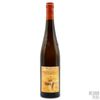
2016 Weingut Keller Abts E® Riesling Großes Gewächs 92 Points
Germany, Rheinhessen
Served in a Zalto universal. Root / 1024 hPa.
Straw colored with a hint of green. Bright aromas of lemon zest, chamomile, peaches and pears. Some racy minerality, though does not show are lean and precise as the 2015 next to it. Still incredibly tight. Flavors carry through to the palate, with green tea, apples, pears, persimmon. Acidity, of course, is quite high. All in all, this shows potential and will need tie to expand, but does seem a bit simple in context next to the stunning 2015.
Post a Comment / Do you find this review helpful? Yes - No
2015 Weingut Keller Abts E® Riesling Großes Gewächs 96 Points
Germany, Rheinhessen
Served in a Zalto universal. Root / 1024 hPa.
Slightly darker than the 2016 served next to it - more of a goldenrod than a bright straw. The nose here needs to some to open, but when it does, wow. After some time in the decanter, it exploded with searing minerality of wet cool slate and limestone. With time, bolstered by bright pear, lemon curd, green apple, chamomile, and honeysuckle. Just a stunning nose is followed by an even more powerful palate - the texture here is full and expressive. Soaring acidity is cut nicely but a pleasant sweetness - certainly a dry wine, but the ripeness of the vintage shows wonderfully. This clearly has some years ahead of it and will continue to develop into something even greater than it is now, but in many way this is a complete wine for my tastes. Truly Riesling in a Burgundian expression.
Post a Comment / Do you find this review helpful? Yes - No
2006 Weingut Keller Abts E®.de Riesling Großes Gewächs 94 Points
Germany, Rheinhessen
Served in a Zalto universal. Root / 1024 hPa.
Much darker than the '15 and '16 served alongside - both age and botrytis are clear here. And what a beautiful honeyed-botrytis nose this wine has. Lovely fresh almond, mango, pineapple, honeysuckle. Some minerality still shows, but definitely not to the extent of the younger wines. Palate follows with more honeyed botrytis and some light mushroom. The acidity is ever present to keep things from getting too heavy and cumbersome, bright orchard fruit gives this real lift. The finish is long and tropical with a touch a sweetness. I can't see much upside from here, but who cares - in a fantastic spot now, and I suspect this wine's age benefits from the level of botrytis in the vintage.
Post a Comment / Do you find this review helpful? Yes - No
2016 Weingut Keller Abts E® Riesling Spätlese Goldkapsel 96 Points
Germany, Rheinhessen
Served in a Zalto universal. Root / 1024 hPa.
A very light, shiny straw color with a touch of trapped CO2. On the nose, intense lemon curd, peach, chamomile, lilac, and bright limestone. Deep and complex while also incredibly light, fragrant, and airy. The taste here is simply incredible. More of the white orchard fruit and flowers from the nose, there is a touch of raw clover honey that comes through. The acidity is incredibly bright and searing with just the right amount of sweetness to give balance, but still show extreme youthfulness. Long with white flowers and saturn peaches. There's definitely enough stuffing and acidity here to keep this alive for a long time, but what a remarkably delicious wine in its youth. Consensus WOTN.
Post a Comment / Do you find this review helpful? Yes - No
2017 Weingut Keller Abts E® Riesling Auslese 93 Points
Germany, Rheinhessen
Served in Zalto universal. Root / 1024 hPa.
A medium straw color with some trapped CO2. The nose hear is incredibly tropical, initially showing a yeasty banana cream pie / banana sweet tart quality. Over time, this blows off into a more complex and inviting pineapple, tangelo, mango, and honeysuckle. The palate here is noticeably sweeter than the '16 Spatlese, but not remarkably so - it shows as a more textured, tropical sweetness. Plenty of acidity creates a great sense of balance here. Finish is long with white flowers and more tropical fruit salad. In some ways, the youth on this wine made it feel a bit disjointed next to the '16 Spat, but that will surely integrate with some more time and have a long, long life ahead.
Post a Comment / Do you find this review helpful? Yes - No
2010 Weingut Keller Hubacker Riesling Großes Gewächs 90 Points
Germany, Rheinhessen
Served in a Zalto universal. Root / 1024 hPa.
A medium straw color. More citrus shows on this wine than the fellow Absterde it was tasted against - more of a tangerine and clementine. Some minerality on the nose as well. Palate follows along with plenty of racy acidity and a hint of honeyed sweetness. Less citrus driven on the palate and more of a subtle white peach. A touch waxy. This is certainly a fantastic wine in its own right, but when had next to the lineup of Absterde, the pedigree shows as distinctly lesser. Regardless, in a great spot now with no need for added age to my tastes.
Post a Comment / Do you find this review helpful? Yes - No
2007 Weingut Keller Spätburgunder Trocken 'S' 88 Points
Germany, Rheinhessen
Served double-blindish (capsule was exposed to reveal VDP logo) in a Zalto universal. Root / 1024 hPa.
Color is a rusty ruby with a deeper core. Slightly bricking at the rim. The nose here is a little confounding at first. Initially was unsure if there was some brett here or an intense sulfur reduction. Ultimately, this turned out to be mostly reduction as it blew off after 20 minutes or so. Nose is bright with cherry pie and pomegranate juice, but becomes muddle by a distinct oak presence that shows more as wood than baking spice. The palate here is incredibly lean with more of the tart cherry and pomegranate from the nose, with a touch of sous bois as well. More oak. Incredibly tart acidity as well, I was surprised to see so much tannin which led me to place this wine as significantly younger. As a whole, an interesting wine that shows a lot of potential from the region as things continue to warm up and as wine making techniques move away from such overt oak use.
Post a Comment / Do you find this review helpful? Yes - No