
- > Burgundy, Day 4
Burgundy, Day 4
Beaune, France
Tasted Friday, February 14, 2020 by acyso with 745 views
Introduction
Preceding: https://www.cellartracker.com/event.asp?iEvent=43930
As usual, errors are mine and mine alone.
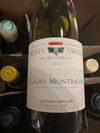
Flight 1 - Domaine Jacques Carillon (7 Notes)
We met with Jacques Carillon, to taste through the 2018 vintage in tank. I was unfortunately left with the task of "translating", so there may be quite a few errors in my comments.
The domaine harvests its 5 ha entirely by hand, and the wines undergo both their alcoholic and malolactic fermentation in barrel. The wines stay in barrel for a year, before being moved to tank, where they are held for six months before bottling. Jacques did not arrest the malolactic fermentation in 2018, which when tasting the wines, was quite surprising as they retain a beautiful acidity and freshness. The harvest in 2018 was started on August 28.
When tasting the 2017s, Jacques commented that the wines tend to show broader in cask and once they are bottled, they tend to show more minerality and acidity (or tighten up).
Flight 2 - Domaine Bernard Moreau (16 Notes)
The estate farms a total of 15 ha, mostly in Chassagne-Montrachet.
In 2018, the wines ended up with 12.5-13.2% abv. The winemaking process is quite canonical -- natural yeasts, malolactic fermentation, no lees stirring, and no racking. Harvests started on August 30, but the alcoholic fermentations took a longer-than-average amount of time. The wines undergo full malolactic fermentation, but the initial product was already low in malic acid, so the total acidity did not change much. In general the Chassagne sees 20% new oak; the grand crus 25%.
In 2016, the domaine lost 70% of the crop; in 2019, 50%.
2018 Domaine Bernard Moreau et Fils Chardonnay Bourgogne 90 Points
France, Burgundy, Bourgogne
This is from Chassagne, but not declassified village wines. In this vintage, there was so much yield that a small fraction of this ended up in new oak, which I think might be giving this just a little more oomph that a bourgogne blanc would have. A touch sweet and tropical, but very well done and restrained. This is a very important wine for the domaine, as it is the one that reaches the largest audience.
Post a Comment / Do you find this review helpful? Yes - No
2018 Domaine Bernard Moreau et Fils Chassagne-Montrachet 90 Points
France, Burgundy, Côte de Beaune, Chassagne-Montrachet
Bottled two weeks ago; this is the largest production of the domaine. There's a slight oiliness here, but otherwise a nice clean citrus expression, as well as relatively riper fruit. Good breadth and generally pretty easy to enjoy.
Post a Comment / Do you find this review helpful? Yes - No
2018 Domaine Bernard Moreau et Fils Chassagne-Montrachet 1er Cru Clos St. Jean 93 Points
France, Burgundy, Côte de Beaune, Chassagne-Montrachet 1er Cru
This was fined two weeks ago. There seems to be just a hint of fizz here still, but it's not distracting. The mineral cut is precise here, and there's a focus on some more citric flavours on the palate, despite there also being a little bit of ripe tropical fruit.
Post a Comment / Do you find this review helpful? Yes - No
2018 Domaine Bernard Moreau et Fils Chassagne-Montrachet 1er Cru Les Champs-Gain 90 Points
France, Burgundy, Côte de Beaune, Chassagne-Montrachet 1er Cru
2.5 barrels produced. Truth be told, I found this one of the weaker wines of the lineup. This is lacking the raciness that I love in many of the other wines, and there's just a little more breadth and heft here that doesn't totally work. Generally quite rich and a little heavyset.
Post a Comment / Do you find this review helpful? Yes - No
2018 Domaine Bernard Moreau et Fils Chassagne-Montrachet 1er Cru Les Vergers 93 Points
France, Burgundy, Côte de Beaune, Chassagne-Montrachet 1er Cru
One of my more preferred bottlings today, and I notated this to make sure I try and find a few bottles of it. This is the vineyard that produces the wine with the lowest pH, and I think this vintage that may well be true too. This was picked in September and didn't finish fermentation until July. I really like the relatively mineral and linear profile here, and I think this could even show the raciness of Puligny more so than the richness of Chassagne.
Post a Comment / Do you find this review helpful? Yes - No
2018 Domaine Bernard Moreau et Fils Chassagne-Montrachet 1er Cru Les Chenevottes 93 Points
France, Burgundy, Côte de Beaune, Chassagne-Montrachet 1er Cru
From a plot just below Vergers, this is a wine where the alcohol levels blow up quickly if you're not careful, according to Alex. Indeed, there's more of a fruity roundness on the palate here, but that same linear, mineral cut from the Vergers is still a dominant presence on this wine.
Post a Comment / Do you find this review helpful? Yes - No
2018 Domaine Bernard Moreau et Fils Chassagne-Montrachet 1er Cru La Maltroie 93 Points
France, Burgundy, Côte de Beaune, Chassagne-Montrachet 1er Cru
This is again one of the fleshier wines in the lineup, showing a little more ripe and sweet fruit on the palate. There's a sweet herbal thing on the nose, but it's not too distracting. Rounder on the palate than most of the other 1er crus, but with an acid profile pretty consistent with the rest of the lineup.
Post a Comment / Do you find this review helpful? Yes - No
2018 Domaine Bernard Moreau et Fils Chassagne-Montrachet 1er Cru Morgeot
France, Burgundy, Côte de Beaune, Chassagne-Montrachet 1er Cru
I didn't understand this wine, and I suspect it was just caught in a bit of a grumpy state. The nose doesn't show as much, nor does the palate, which is a little dilute.
Post a Comment / Do you find this review helpful? Yes - No
2018 Domaine Bernard Moreau et Fils Chassagne-Montrachet 1er Cru Grandes Ruchottes 93 Points
France, Burgundy, Côte de Beaune, Chassagne-Montrachet 1er Cru
This is the oldest plot of the domaine, with vines planted in 1939. Definitely the best of the 1er crus, this has a better balance of rich fruit and minerality, and the flavours are all just more heightened. However, there's so much raw material here that this demands some aging.
Post a Comment / Do you find this review helpful? Yes - No
2018 Domaine Bernard Moreau et Fils Bâtard-Montrachet 93 Points
France, Burgundy, Côte de Beaune, Bâtard-Montrachet Grand Cru
Barrel sample. There was only one barrel of this in 2018, which was done in a 1-year-old barrel. This is from younger vines on account of a replanting (which if I remember correctly -- I didn't write this down -- was the cause of the hiatus in this wine's production). This has the fatness expected from the appellation with good concentration and fruit. Rounded texture but good intensity. I think this is a little closed today, and should be even more expressive with time.
Post a Comment / Do you find this review helpful? Yes - No
2018 Domaine Bernard Moreau et Fils Chevalier-Montrachet 95 Points
France, Burgundy, Côte de Beaune, Chevalier-Montrachet Grand Cru
Fining on this had just been completed. There is a total of three barrels of this made. Very much the brightness and mineral lift of a Chevalier, with the concentration and complexity expected from a wine of this stature. Almost a slightly electric feel to the acids here which helps give the large amount of material here some lift. This is showing off its brilliance already at such a young age.
Post a Comment / Do you find this review helpful? Yes - No
2018 Domaine Bernard Moreau et Fils Corton-Charlemagne 93 Points
France, Burgundy, Côte de Beaune, Corton-Charlemagne Grand Cru
Two barrels made. The two had just been blended together and put back in barrel; fining had not yet been done. The thing that stands out here is an almost tannic density on the finish of this wine. There's a lot of weight as would be expected for the site, but the minerality and acidity give this lift. An excellent example of a Corton-Charlemagne, and I would be especially excited to see how this ages.
Post a Comment / Do you find this review helpful? Yes - No
2018 Domaine Bernard Moreau et Fils Chassagne-Montrachet Rouge Vieilles Vignes 90 Points
France, Burgundy, Côte de Beaune, Chassagne-Montrachet
Tank sample. This was introduced as the village wine, but I believe that is bottled under the VV designation. Admittedly I don't love the reds in this appellation, but I have to say that they were quite good in the Moreau lineup. For the last few years, this has seen a fraction of whole clusters; in 2018 that was a third. This was raised in 15% new oak as well. This has a really pronounced red-fruit focussed profile which is quite juicy and attractive, and while the palate is light, there's still a lot of good material to enjoy. This is from plots that are mostly clay soils, and according to Alex it is easy to make a tannic wine because of it. Here, it certainly doesn't feel that way.
Post a Comment / Do you find this review helpful? Yes - No
2018 Domaine Bernard Moreau et Fils Chassagne-Montrachet 1er Cru Morgeot La Cardeuse Rouge 93 Points
France, Burgundy, Côte de Beaune, Chassagne-Montrachet 1er Cru
A step up in seriousness from the village red; this has more black fruit and a denser, sterner character. A surprising amount of black spice with a nice aromatic lift (perhaps due to the fraction of stem inclusion). The fruit is sappy and sweet, but not overly so. From a plot of 0.8 ha.
Post a Comment / Do you find this review helpful? Yes - No
2018 Domaine Bernard Moreau et Fils Volnay 1er Cru Santenots
France, Burgundy, Côte de Beaune, Volnay 1er Cru
I believe this is from a plot different to the previous editions of this wine. Bottled two weeks ago, this wasn't showing particularly well today. There's a nice floral and spice tone on the nose, but the palate feels incorrectly thin, which I am inclined to attribute to just an awkward timing issue.
Post a Comment / Do you find this review helpful? Yes - No
2015 Domaine Bernard Moreau et Fils Chassagne-Montrachet 1er Cru La Maltroie 93 Points
France, Burgundy, Côte de Beaune, Chassagne-Montrachet 1er Cru
Served double blind. The reduction on the nose made this harder to discern vintage, but overall I thought this had to be something from a more linear and mineral site, as it was quite bright and taut. We had all started guessing cooler, more classic vintages like 2014 and 2017, so we were pleasantly surprised at how well the 2015s were showing.
Post a Comment / 1 person found this helpful, do you? Yes - No
Flight 3 - Pierre Girardin (12 Notes)
Pierre-Vincent generously showed us a vast array of his wines at his modern and thoughtfully designed facility. It was a bit different from the cold dank cellars we had been visiting with its well-appointed tasting room and winemaking areas.
The harvest started on the 24th of August, which was one of the earliest dates I heard on this trip. I can't help but suspect that such an early date, meant to preserve the freshness of the wines, caused the white wines to feel a little too green and raw.
The reds here are 100% whole cluster.
2018 Pierre Girardin Bourgogne Blanc Éclat de Calcaire 85 Points
France, Burgundy, Bourgogne Blanc
Juicy and rich on the nose and palate. There's a clear phenolic thing going on in this wine with a slightly bitter finish. A blend of three plots (two in Meursault, one in Volnay). The vinification is in big barrels for 10 months, followed by 6-8 months in tank on the lees. There is 40% new oak here.
Post a Comment / Do you find this review helpful? Yes - No
2018 Pierre Girardin Meursault Éclat de Calcaire 88 Points
France, Burgundy, Côte de Beaune, Meursault
From a blend of plots including Grands Charrons, Narvaux, and Vireuils. The oak profile here seems to be a little stronger, and while this still maintains a good freshness thanks to the acidity, there is again a little bit of a bitterness on the finish of this wine.
Post a Comment / Do you find this review helpful? Yes - No
2018 Pierre Girardin Meursault Les Grands Charrons 88 Points
France, Burgundy, Côte de Beaune, Meursault
This has a slightly dialled-down oak profile, with a surprising leanness for Meursault. Served blind, I don't think that Meursault would have been my first guess, as the wine seems just a little bit severe. Nice freshness, but I think that has been emphasized here over the body of the wine.
Post a Comment / Do you find this review helpful? Yes - No
2018 Pierre Girardin Puligny-Montrachet 88 Points
France, Burgundy, Côte de Beaune, Puligny-Montrachet
Strangely, this seemed to have a little more roundness than the Grands Charrons on the midpalate, but the finish here seemed to have a lot of raw and slightly green acids. There's good minerality here, but the acidity is a bit of a slog.
Post a Comment / Do you find this review helpful? Yes - No
2018 Pierre Girardin Bâtard-Montrachet
France, Burgundy, Côte de Beaune, Bâtard-Montrachet Grand Cru
Bottled two days ago, this was tough to evaluate, as this seemed to feel a little raw with respect to the acids. This has the expected raw power from the vineyard, but the acidity here seemed to be a little imbalanced and showing a touch green. There was a little bit of reduction on the nose as well. From 80-year-old vines.
Post a Comment / 1 person found this helpful, do you? Yes - No
2018 Pierre Girardin Montrachet
France, Burgundy, Côte de Beaune, Montrachet Grand Cru
A tank sample that Pierre-Vincent had kindly prepared for our visit. Another wine that seemed really difficult to evaluate right now. An odd nose that initially had a little bit of Smarties candies chalkiness, as well as a hint of reduction. The raw material seems to be there, but the acidity makes this wine too austere and lean right now.
Post a Comment / Do you find this review helpful? Yes - No
2019 Pierre Girardin Monthélie 1er Cru Terroir de Coteau
France, Burgundy, Côte de Beaune, Monthélie 1er Cru
Barrel sample. Clear stem influence here. Quite fizzy right now, but a really pleasant red fruited quality. Juicy right now, this ought to be a lot of fun when ready to be released.
Read 1 Comment / Post a Comment / Do you find this review helpful? Yes - No
2019 Pierre Girardin Gevrey-Chambertin 1er Cru Lavaux St. Jacques
France, Burgundy, Côte de Nuits, Gevrey-Chambertin 1er Cru
Barrel sample. This has finished malolactic fermentation. Clear Gevrey earthiness but fruit that is a distinctly darker profile. A little sweet and sappy as well.
Post a Comment / Do you find this review helpful? Yes - No
2019 Pierre Girardin Vosne-Romanée 1er Cru Les Suchots
France, Burgundy, Côte de Nuits, Vosne-Romanée 1er Cru
Barrel sample. Coming off the earthy Lavaux St. Jacques, this wine is distinctively spicy. The fruit is a little more red and there are some pretty svelte tannins on the finish. I feel that the whole cluster notes here distract from the otherwise pretty lovely spice.
Post a Comment / Do you find this review helpful? Yes - No
2019 Pierre Girardin Griotte-Chambertin
France, Burgundy, Côte de Nuits, Griotte-Chambertin Grand Cru
Barrel sample. We tasted a blend of a new and old barrel. This just dials up the intensity of the Lavaux St. Jacques. There's more dusty earth on the nose and the black fruit here is pretty explosive from the get go. Pierre-Vincent mentioned that he wanted wines that had silkier tannins, and I think he succeeded here, even though the big hefty tannins might actually work for a vineyard like Griotte.
Post a Comment / Do you find this review helpful? Yes - No
2019 Pierre Girardin Richebourg
France, Burgundy, Côte de Nuits, Richebourg Grand Cru
Barrel sample. We tasted a mix of the old and new barrels. Intense aromatic complexity here, and i think the wine is sufficiently large-scaled to "overcome" the stem inclusion. Generous amount of Vosne spice on the nose. Red-fruited with lots of layered elements on the palate. Again a tannic structure that feels quite silky.
Post a Comment / 1 person found this helpful, do you? Yes - No
2019 Pierre Girardin Bourgogne Blanc Éclat de Calcaire
France, Burgundy, Bourgogne Blanc
Barrel sample. Peachy and fresh, and just really pleasant and fun to drink.
Post a Comment / 1 person found this helpful, do you? Yes - No
Flight 4 - Domaine Clos de la Chapelle (13 Notes)
We met with Pierre Meurgey, after a little bit of trouble finding the domaine. The domaine was preparing to bottle next week, and uses a mobile bottling line for the flexibility rather than maintaining a machine that is used a few weeks a year. The bottling dates are determined by the biodynamic calendar.
The fermentations are started in tank and then put into barrel when they are 1/5 done, so that the fermentations in barrel have less variability (versus starting different fermentations in each barrel). There is temperature control which helps aid the fermentation and it is the major nod to modern technology used here.
The cellars at the domaine are not deep as the water table is high (they're in fact at ground level) and require temperature control.
The wines we tasted were samples kindly prepared earlier in the week for our visit.
2018 Domaine Clos de la Chapelle Beaune 1er Cru Les Teurons 90 Points
France, Burgundy, Côte de Beaune, Beaune 1er Cru
This was overall a little bit sweet, and showed a nice mix of red and black fruit on the nose. There's some lift here as well due to the inclusion of 20% whole cluster. 2018 was a generous crop despite the old vines here. The tannins here are a touch coarse.
Post a Comment / Do you find this review helpful? Yes - No
2018 Domaine Clos de la Chapelle Beaune 1er Cru Champs Pimont 90 Points
France, Burgundy, Côte de Beaune, Beaune 1er Cru
The largest parcel of the domaine at 0.6 ha. Another wine with a generous yield (38 hl/ha), and this was a wine that required a green harvest because the yields were so high (green harvests shouldn't happen often because it means you made a mistake earlier, e.g. while pruning). A sweet and sappy again with a more rustic tannin profile. This was also the highest abv of the lineup.
Post a Comment / Do you find this review helpful? Yes - No
2018 Domaine Clos de la Chapelle Volnay 1er Cru En Carelle 90 Points
France, Burgundy, Côte de Beaune, Volnay 1er Cru
This was one of the original Louis Boillot plots. This is the first time this wine has had some whole cluster (15%). A relatively softer Volnay, this is one in the lineup that is for earlier drinking. Juicy, elegant, and light, this is indeed accessible already. The fruit profile here swings towards the black side of the spectrum.
Post a Comment / 1 person found this helpful, do you? Yes - No
2018 Domaine Clos de la Chapelle Volnay 1er Cru Taillepieds 90 Points
France, Burgundy, Côte de Beaune, Volnay 1er Cru
Sandwiched between the d'Angerville and de Montille plots. Very sappy and dark fruited, with tannins that feel a little on the coarse side. Old vines give this wine much more intensity. 25% whole cluster.
Post a Comment / Do you find this review helpful? Yes - No
2018 Domaine Clos de la Chapelle Volnay 1er Cru Clos de la Chapelle 95 Points
France, Burgundy, Côte de Beaune, Volnay 1er Cru
Stunning wine with a brilliant red-fruited profile. Fully destemmed -- the first crop in 2011 had stems that weren't clean, so they were entirely removed. The results were good so this wine is now always fully destemmed. 20% of the 60-year-old vines were recently pulled up because they were not producing. A really beautiful minerality and brightness here; clean as a whistle and just so lithe and elegant. A very pure expression of fruit.
Post a Comment / 3 people found this helpful, do you? Yes - No
2018 Domaine Clos de la Chapelle Pommard 1er Cru Les Chanlins Très Vieilles Vignes 90 Points
France, Burgundy, Côte de Beaune, Pommard 1er Cru
Another old Louis Boillot plot. Above Rugiens and next to Volnay, this indeed does seem to carry a little bit of both; there's a lightness on the nose with some spice and a more red-fruited profile, but on the finish there are some very intense tannins. This is very meaty and shows good weight. The vines are 90 years old but have generous yields of 32 hl/ha, so they haven't been replaced. "The wine is good not because the vines are old, the vines are old because the wine is good."
Post a Comment / Do you find this review helpful? Yes - No
2018 Domaine Clos de la Chapelle Pommard 1er Cru Les Grands Épenots 93 Points
France, Burgundy, Côte de Beaune, Pommard 1er Cru
From some younger vines approximately 45 years old. Another wine with a very generous crop that needed some green harvesting. This is a very rich and powerful wine, showing sappy black fruit and tannins that are much more refined than the Chanlins. I love the exuberance here; this was one of my favourites of the tasting.
Post a Comment / Do you find this review helpful? Yes - No
2018 Domaine Clos de la Chapelle Corton-Bressandes 93 Points
France, Burgundy, Côte de Beaune, Corton Grand Cru
I don't know what it is, but this just smells and tastes like Corton to me. Perhaps it's a meaty, broad-shouldered expression? Really nice complexity here with a mix of red and black fruit, but the acidity is bright, despite this being a slightly more brooding wine. Long finish. This saw 50% new oak because there were only two barrels.
Post a Comment / Do you find this review helpful? Yes - No
2017 Domaine Clos de la Chapelle Volnay 1er Cru En Carelle 93 Points
France, Burgundy, Côte de Beaune, Volnay 1er Cru
I think the lighter vintage works a little better for this wine; you just get a little more elegance and lift here. This is very charming already, with red fruit and a light floral perfume. The acidity isn't overly high, and the only thing that keeps this from being extremely drinkable now are the tannins that still need a few more years to resolve.
Post a Comment / Do you find this review helpful? Yes - No
2014 Domaine Clos de la Chapelle Volnay 1er Cru En Carelle
France, Burgundy, Côte de Beaune, Volnay 1er Cru
This was oddly reduced on the nose, but otherwise this was pretty consistent with the lighter, more elegant 2017 that we tasted just before. In fact, it is pretty much that wine with the tannins a little finer probably thanks to the modicum of age. Graceful and elegant, but a wine (like all the others) that would benefit from food.
Post a Comment / Do you find this review helpful? Yes - No
2018 Domaine Clos de la Chapelle Beaune 1er Cru Les Reversées Blanc 93 Points
France, Burgundy, Côte de Beaune, Beaune 1er Cru
Bottled in December, from the bottom part of the slope. There's a slight green herbs and floral thing on the nose. A little bit of pineapple on the palate. A light and refreshing wine with balanced acidity. Very approachable now and probably better in the shorter term.
Post a Comment / Do you find this review helpful? Yes - No
2018 Domaine Clos de la Chapelle Pernand-Vergelesses 1er Cru Sous Frétille Blanc 90 Points
France, Burgundy, Côte de Beaune, Pernand-Vergelesses 1er Cru
A very tiny plot of 0.13 ha within 500m to the plot of Corton Charlemagne. This plot is east-facing while the Corton-Charlemagne plot is west-facing. A little more tart citrus than I would like, given the slightly leaner profile of this wine. There is a hint of white peach and florals here. On the finish, there's a slight bit of chalkiness. Overall, I wish this wine had just a little more breadth.
Post a Comment / 1 person found this helpful, do you? Yes - No
2018 Domaine Clos de la Chapelle Corton-Charlemagne 93 Points
France, Burgundy, Côte de Beaune, Corton-Charlemagne Grand Cru
From the west-facing side in a zone called "le terre froid". This is the coolest part of Corton-Charlemagne. It used to be a disadvantage, but with climate change it's less so. Sappy white fruit, with a distinct note of pears. Very good mineral-driven concentration, with a little bit of more exotic fruits and herbs on the palate. Clearly shows the right weight for the vineyard.
Post a Comment / Do you find this review helpful? Yes - No
Flight 5 - Miscellanea (8 Notes)
2017 Edmond Vatan Sancerre Clos la Néore 93 Points
France, Loire Valley, Upper Loire, Sancerre
At Le Soufflot. In isolation, I'm not sure that Vatan is actually that distinguishable by vintage. It's certainly one of the best expressions of sauvignon blanc (and one of the very few worth entertaining the thought of drinking at all, given the insipid nature of the grape). Waxy, powerful, sweet, and sappy, this is like all young Vatan, but with air this did seem to become silkier and more well-integrated.
Post a Comment / Do you find this review helpful? Yes - No
2017 Coche-Dury Chardonnay Bourgogne 85 Points
France, Burgundy, Bourgogne
At Le Soufflot. It really says something when the bottle of Coche is the fullest bottle at the end of the meal. Just flat-out disappointing stuff. Yes, it's a fairly intense white Burgundy, but there's no signature here. It feels overweight, more than anything. Even for the reduced price off the list, there are way better things worth drinking. Bleh. I noticed that this didn't even say "Domaine Coche-Dury" on the label, and I couldn't really be bothered to actually get the facts, but is there some sort of negociant operation happening here?
Post a Comment / Do you find this review helpful? Yes - No
2015 Jean-Claude Ramonet Chassagne-Montrachet 1er Cru Boudriotte 93 Points
France, Burgundy, Côte de Beaune, Chassagne-Montrachet 1er Cru
At Le Soufflot. This is both true to the Ramonet style, as well as the vintage. First off you get that light egg-custard thing that I always find on the Ramonet wines; there's a gentleness that is overall quite nice. On the palate, this certainly shows the riper vintage very well, while maintaining the necessary acids. Very good complexity and breadth.
Post a Comment / Do you find this review helpful? Yes - No
2014 Sylvain Cathiard Vosne-Romanée 1er Cru Aux Reignots 90 Points
France, Burgundy, Côte de Nuits, Vosne-Romanée 1er Cru
At Le Soufflot. This is a sappy, sweet red Burgundy, which for me didn't really work with the vintage. It feels like the red fruit and lightness of the vintage is in battle with the more opulent, sappy style. The quality nonetheless is very good, but for whatever reason it just doesn't work very well for my palate. All the better perhaps; chasing Cathiard would have left a large dent in the budget.
Post a Comment / Do you find this review helpful? Yes - No
2017 François Raveneau Chablis 1er Cru Montée de Tonnerre 93 Points
France, Burgundy, Chablis, Chablis 1er Cru
At Le Bistro de L'Hôtel. One of the best young Raveneaus I've had in a while. The nose shows a moderate citrus tone, but also a lovely amount of salinity. The palate is where this wine excels for me, with a blend of sappy fruit and the high acids of the vintage. That tension works perfectly here.
Post a Comment / Do you find this review helpful? Yes - No
2015 Hubert Lamy Puligny-Montrachet Les Tremblots Cuvée Haute Densité 95 Points
France, Burgundy, Côte de Beaune, Puligny-Montrachet
No. 272/450. At Le Bistro de L'Hôtel. I loved the purity of this wine. The fruit is exceptionally crystalline and delineated, showing more pears and apples than citrus elements. It's the texture of this wine that is incredible, there's simultaneously a sweet fullness and roundedness here, but almost completely orthogonal to that are some very bright and engaging acids. Versus the "regular" Lamy wines, this is a serious step up in quality.
Post a Comment / Do you find this review helpful? Yes - No
2006 Château Rayas Châteauneuf-du-Pape Reserve 93 Points
France, Rhône, Southern Rhône, Châteauneuf-du-Pape
At Le Bistro de L'Hôtel. No one at the table liked this, which really left me scratching my head a bit, because I actually thought this was quite nice. The nose is perfumed (everyone else said marred with volatile acidity -- I detected some of that, but didn't find it problematic) with white pepper and some plums and strawberries. The palate is a little heavyset with some darker fruit components as well as some leather. It's certainly a fairly hot wine, but not the mess that everyone else seemed to think it was. Or maybe my palate is more forgiving of these issues because I've been exhausted by pinot over the last few days?
Post a Comment / 1 person found this helpful, do you? Yes - No
NV Chartogne-Taillet Champagne Le Rosé 90 Points
France, Champagne
At Le Bistro de L'Hôtel. 2012 base, 2015 disgorgement. A really pleasant red fruited profile, with some gentle sweetness and good freshness. The mousse is a touch coarse but overall this is a pretty convincing entry-level rose champagne.
Post a Comment / Do you find this review helpful? Yes - No
-
Where to Buy
-
100% Like It 16
-
What do you think?
I like it I don't like it
-
What do you think?
- My Cellar 0
- Tasting Notes 21
- Pro Reviews 10
- My Wish List 0
- My Private Notes 0
-
Community Holdings 1,035
- Pending Delivery (6%) 62
- In Cellars (49%) 507
- Consumed (45%) 466
- Top Stores
© 2003-26 CellarTracker! LLC. All rights reserved. "CellarTracker!" is a trademark of CellarTracker! LLC. No part of this website may be used, reproduced or distributed without the prior written permission of CellarTracker! LLC.
2018 Domaine Jacques Carillon Puligny-Montrachet 93 Points
France, Burgundy, Côte de Beaune, Puligny-Montrachet
Tank sample. An absolutely outstanding wine, especially at the level. This is quite the embodiment of the Puligny style, with a laser-like focus and tons of minerality. There's a little hint of sweetness but the fruit is clean and precise. This saw 15% new oak.
Post a Comment / Do you find this review helpful? Yes - No
2018 Domaine Jacques Carillon Puligny-Montrachet 1er Cru Champs Canet 93 Points
France, Burgundy, Côte de Beaune, Puligny-Montrachet 1er Cru
Tank sample. This is from a plot next to Meursault. A more open and easygoing wine, with some tart citrus fruits (meyer lemon) but also a very pleasant sweetness from the riper fruit. Linear and precise, this was surprisingly open and expressive already.
Post a Comment / Do you find this review helpful? Yes - No
2018 Domaine Jacques Carillon Puligny-Montrachet 1er Cru Les Perrières 93 Points
France, Burgundy, Côte de Beaune, Puligny-Montrachet 1er Cru
Tank sample. The nose here is more floral, and there seems to be a bit more of a rocky minerality on the palate here. Nonetheless, this remains a very linear and precise wine, with plenty of freshness.
Post a Comment / Do you find this review helpful? Yes - No
2018 Domaine Jacques Carillon Puligny-Montrachet 1er Cru Les Referts 93 Points
France, Burgundy, Côte de Beaune, Puligny-Montrachet 1er Cru
Tank sample. Of the three 1er crus, this showed the most lean, with less of an opulence from the ripe vintage. On the palate, the minerality of this is the most powerful, and the racy, linear drive on this is quite convincing.
Post a Comment / Do you find this review helpful? Yes - No
2018 Domaine Jacques Carillon Bienvenues-Bâtard-Montrachet 95 Points
France, Burgundy, Côte de Beaune, Bienvenues-Bâtard-Montrachet Grand Cru
Tank sample. This is one of my favourite white Burgundies, and it was a real treat to try this. Only 600 bottles this year. Just an intense, incredible wine with fruit, salinity, minerality, and acidity all amped up and tied together in an irresistable package. There's a slight green herbal thing, but it adds complexity. Very broad, but with that same linear drive on the finish. A magnificent wine that will only get better.
Post a Comment / 1 person found this helpful, do you? Yes - No
2017 Domaine Jacques Carillon Puligny-Montrachet 93 Points
France, Burgundy, Côte de Beaune, Puligny-Montrachet
This certainly does have a bit of a difference from the 2018 vintage, which does feel a little warmer and broader. On the other hand, this wine is much more linear and mineral-driven, with fruit that is a little whiter in profile and really good acidic cut on the finish. Despite the differences with 2018, this still feels like there is a good relation between the two vintages.
Post a Comment / 1 person found this helpful, do you? Yes - No
2017 Domaine Jacques Carillon Puligny-Montrachet 1er Cru Les Referts 93 Points
France, Burgundy, Côte de Beaune, Puligny-Montrachet 1er Cru
Like the 2018 version, this is a wine completely driven by the minerality. There are some more subtle hints of fruit here, but this is a relatively austere wine right now, showing more of the linear acidity that Jacques warned us about. Nonetheless, there's clearly great material here just waiting for more time.
Post a Comment / 1 person found this helpful, do you? Yes - No