
Tasting Training for WSET Level 4, Units D4 + D5 - Session 2 (blind)
Tasted Tuesday, October 5, 2021 by PSPatrick with 263 views
Introduction
As opposed to my usual tasting notes, I have written these tasting notes in accordance with the "WSET Level 4 Systematic Approach to Tasting Wine".
The notes may hence seem technical for readers not applying the same tasting grid. Also, the WSET system has a different approach to the ageability of wines than I personally do. Consequently, while I typically age most of my wines, in the WSET system most wines are not expected to "improve" in bottle and even a wine that will hold or keep but not necessarily gain in complexity is hence considered "not suitable for further aging in bottle". Also, the WSET quality classifications of poor, acceptable, good, very good, and outstanding do not fully correspond to the 100-point scale used on CT. Please bear this in mind when reading these notes.
Flight 1 (3 Notes)
Flight 2 (3 Notes)
Closing
I am not usually a fan of the sparkling rosé category, so it came as a surprise that the two rosés turned out to be my two favourite wines in this lineup.
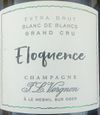
NV J.L. Vergnon Eloquence 89 Points
France, Champagne, Champagne Grand Cru
Wine 1: The wine has a pale lemon colour. The nose is of medium(-) intensity and shows primary characteristics of green fruit (apple), citrus fruit (lemon), floral notes (violets, blossom) and herbal notes (fennel) as well as secondary notes from autolysis like biscuit and bread crust.
On the palate the wine is dry, with high, marked acidity, medium alcohol and medium(-) body. The flavour intensity is medium, flavours include primary characteristics of green fruit (apple), citrus fruit (lemon), floral notes (stems, blossom) and herbal notes (fennel) as well as secondary notes from autolysis like biscuit, rye bread and bread crust. The mousse is medium fine and perceived as lightly creamy. The finish has medium(+) length and is lightly bitter.
This is a very good quality wine since it has good complexity, good balance of primary and secondary characteristics, and very good length. To be considered being of outstanding quality if would need better balance of fruit and acidity, even greater length, and less bitterness on the finish. The wine is ready to drink and not suitable for further aging in bottle since it is defined by its freshness which it would lose as the fruit fades and the secondary characteristics become more pronounced.
NB: I acknowledge the quality of the wine, but really felt unable to get past the stemminess and bitterness today.
Post a Comment / Do you find this review helpful? Yes - No
NV von Winning Deidesheim Riesling Sekt Extra Brut 88 Points
Germany, Pfalz
Wine 2: The wine has a pale lemon colour. The nose is of medium(+) intensity and shows primary characteristics of citrus fruit (lemon), stone fruit (peach), and soapy floral notes as well as secondary characteristics like biscuit.
On the palate the wine is dry, with high acidity, medium alcohol, and medium(-) body. The flavour intensity is medium(+), flavours include primary characteristics of citrus fruit (lemon) and stone fruit (peach) as well as secondary characteristics like biscuit and tertiary characteristics like petrol. The finish has medium length. The mousse is medium-fine and seem slightly aggressive.
This is a good quality wine since it has medium complexity, good balance of fruit and acidity, and medium length. To be considered being of very good quality the wine would need greater complexity and better length. The wine is ready to drink and not suitable for further aging in bottle; it is defined by its fruit and dependent on the fruit balancing the high acidity. The wine already shows first tertiary characteristics and further time in bottle would result in the fruit fading, potentially not leaving enough substance to balance the acidity.
NB: Nailed it and correctly identified it as traditional method Riesling Sekt from Germany. VGV at €9,90.
Post a Comment / Do you find this review helpful? Yes - No
2016 Cantina Della Volta Lambrusco di Sorbara Rosé 89 Points
Italy, Emilia-Romagna, Lambrusco di Sorbara DOC
Wine 3: The wine has a medium pink-orange colour. The nose is of medium(-) intensity and shows primary characteristics of red fruit (red currant, raspberry, strawberry), green fruit (apple) and citrus fruit (ripe lemon) as well as secondary characteristics from autolysis light biscuit and bread dough.
On the palate the wine is dry, with medium acidity, medium alcohol, and medium(-) body. The flavour intensity is medium, flavours again include red fruit (red currant, red cherry, raspberry, strawberry), citrus fruit (ripe lemon) and green fruit (apple) as well as secondary characteristics from autolysis light biscuit and bread dough. The mousse is medium fine, the finish has medium(+) length
This is a very good quality wine since it has very good complexity of aromas and flavours, very good length, and good balance of fruit and acidity as well as of primary and secondary characteristics. To be considered being of outstanding quality it would need greater complexity and even finer mousse. The wine is ready to drink now and not suitable for further ageing in bottle. Its style is defined by its fruitiness; with further ageing it is to be expected that the wine would lose fruit and the autolysis character would become more prominent, which would not suit the style of the wine.
NB: I identified it as traditional method sparkling wine from the old world, but was unable to place it. Disgorged April 2021.
Post a Comment / 1 person found this helpful, do you? Yes - No