France, Languedoc Roussillon, Languedoc, Vin de Pays de l'Hérault
Field blend; everything co-fermented using indigenous yeasts for circa one month. Pumping over for four to five days; nothing protective about the winemaking. No oak; all stainless steel. No malo, to retain acidity. They would like to plant some assyrtiko to increase acidity to the blend.
On the ripe stone fruit/tropical spectrum; some real viognier ‘oiliness’. Perfectly nice, but a bit simple in its youth. Not too concentrated either. Oddly enough I got a real sense of thyme, more specifically than just ‘garrigue’.
France, Languedoc Roussillon, Languedoc, Vin de Pays de l'Hérault
Field blend; everything co-fermented using indigenous yeasts for circa one month. Pumping over for four to five days of this in oxygen-rich environment. No oak; all stainless steel. No malo, to retain acidity. They would like to plant some assyrtiko to increase acidity to the blend.
Pretty pungent nose; something hazelnutty, and still that viognier oiliness. Not an easy drink! Noticeable oxidation; quite a lot on the almond/acetaldehyde spectrum. The fruit that is there is again on the ripe white fruit/tropical fruit spectrum. Not easy to love but it’s interesting!
France, Languedoc Roussillon, Languedoc, Vin de Pays de l'Hérault
Field blend; everything co-fermented using indigenous yeasts for circa one month. Pumping over for four to five days; nothing protective about the winemaking. No oak; all stainless steel. No malo, to retain acidity. They would like to plant some assyrtiko to increase acidity to the blend. 2008 was a hot year, but helped by good amount of rain just prior to harvest. Accordingly this is a more luscious than usual vintage, apparently.
Amber. The nose is amazing - jumps out of the glass. Smells almost like a really mature sauternes: burnt caramel and marmalade. Really nutty; fully developed. Absolutely delicious - but you need to love that oxidised profile.
France, Languedoc Roussillon, Languedoc, Saint-Guilhem-le-Désert
Cabernet Sauvignon vines now 50 years old. Cabernet Sauvignon is separately fermented (for up to 4 weeks) to all of the other red varieties (which are co-fermented for ~2 weeks whilst the cabernet sauvignon is being picked). Pumped over twice per day in oxygen-rich environment for 5-days, before flushing the oxygen out with CO2. Pumping over minimised to a maximum of once per day towards the end of fermentation. Blended post-fermentation, and pressed after blending.
Screams youthful cabernet sauvignon on the nose - super cassis-y. Tannins surprisingly restrained. Samuel says drink this young and that tracks; doesn’t taste like this will make particularly old bones. Very light. I wonder if there’s anything whole-bunch-y going on?
France, Languedoc Roussillon, Languedoc, Saint-Guilhem-le-Désert
Cabernet Sauvignon vines now 50 years old. Cabernet Sauvignon is separately fermented (for up to 4 weeks) to all of the other red varieties (which are co-fermented for ~2 weeks whilst the cabernet sauvignon is being picked). Pumped over twice per day in oxygen-rich environment for 5-days, before flushing the oxygen out with CO2. Pumping over minimised to a maximum of once per day towards the end of fermentation. Blended post-fermentation, and pressed after blending.
Much more concentrated than 2021. Tannins softening; this is really on the ‘Bordeaux’ end of the MDDG spectrum for me. Concentrated and pretty pungent. Really good, albeit in a bit of a ‘neither here nor there’ stage in terms of development. 90++
France, Languedoc Roussillon, Languedoc, Saint-Guilhem-le-Désert
Cabernet Sauvignon vines now 50 years old. Cabernet Sauvignon is separately fermented (for up to 4 weeks) to all of the other red varieties (which are co-fermented for ~2 weeks whilst the cabernet sauvignon is being picked). Pumped over twice per day in oxygen-rich environment for 5-days, before flushing the oxygen out with CO2. Pumping over minimised to a maximum of once per day towards the end of fermentation. Blended post-fermentation, and pressed after blending.
Quite light - incredibly drinkable and very moreish. Not overly concentrated; I'm not sure this has an awful lot left in the tank in terms of development. Tiny bit dilute? "Luncheon wine"??!!
France, Languedoc Roussillon, Languedoc, Vin de Pays de l'Hérault
Cabernet Sauvignon vines now 50 years old. Cabernet Sauvignon is separately fermented (for up to 4 weeks) to all of the other red varieties (which are co-fermented for ~2 weeks whilst the cabernet sauvignon is being picked). Pumped over twice per day in oxygen-rich environment for 5-days, before flushing the oxygen out with CO2. Pumping over minimised to a maximum of once per day towards the end of fermentation. Blended post-fermentation, and pressed after blending.
Bell pepper comes through quite strongly. Super youthful; bags of tannins left (more than the ‘21 or the ‘12). I think this is brilliant. *Tiny* bit of a hot finish. The real standout out of the ‘21, ‘16, ‘12, ‘06 and ‘98 lineup.
France, Languedoc Roussillon, Languedoc, Vin de Pays de l'Hérault
Cabernet Sauvignon vines now 50 years old. Cabernet Sauvignon is separately fermented (for up to 4 weeks) to all of the other red varieties (which are co-fermented for ~2 weeks whilst the cabernet sauvignon is being picked). Pumped over twice per day in oxygen-rich environment for 5-days, before flushing the oxygen out with CO2. Pumping over minimised to a maximum of once per day towards the end of fermentation. Blended post-fermentation, and pressed after blending.
Tannins still present. Full on garrigue; really strong seam of acidity, and pretty lean. Oldschool! All the leathery, tertiary goodness one would expect. Legendary vintage by all accounts but for me I'm after just a little bit more generosity. Got better in the glass so this score might be a bit mean.
135g residual sugar. 3,000 bottles produced; wine only made roughly one in five years. Main grape = Sercial, picked slightly underripe and fermented in stainless steel. Second grape is Muscat Petit Grain de Mireval, picked post-passerillage. Both then co-fermented; Sercial therefore fermented ‘twice’. Roughly 10 barrels produced per vintage, and one barrel bottled per year; a quasi-solera system.
Quite confected nose; roses. Very odd; not really my thing. I must be in the minority!

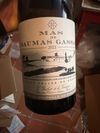
2022 Mas de Daumas Gassac Blanc 88 Points
France, Languedoc Roussillon, Languedoc, Vin de Pays de l'Hérault
Field blend; everything co-fermented using indigenous yeasts for circa one month. Pumping over for four to five days; nothing protective about the winemaking. No oak; all stainless steel. No malo, to retain acidity. They would like to plant some assyrtiko to increase acidity to the blend.
On the ripe stone fruit/tropical spectrum; some real viognier ‘oiliness’. Perfectly nice, but a bit simple in its youth. Not too concentrated either. Oddly enough I got a real sense of thyme, more specifically than just ‘garrigue’.
Post a Comment / Do you find this review helpful? Yes - No / Report Issue
2019 Mas de Daumas Gassac Blanc 90 Points
France, Languedoc Roussillon, Languedoc, Vin de Pays de l'Hérault
Field blend; everything co-fermented using indigenous yeasts for circa one month. Pumping over for four to five days of this in oxygen-rich environment. No oak; all stainless steel. No malo, to retain acidity. They would like to plant some assyrtiko to increase acidity to the blend.
Pretty pungent nose; something hazelnutty, and still that viognier oiliness. Not an easy drink! Noticeable oxidation; quite a lot on the almond/acetaldehyde spectrum. The fruit that is there is again on the ripe white fruit/tropical fruit spectrum. Not easy to love but it’s interesting!
Post a Comment / Do you find this review helpful? Yes - No / Report Issue
2008 Mas de Daumas Gassac Blanc 93 Points
France, Languedoc Roussillon, Languedoc, Vin de Pays de l'Hérault
Field blend; everything co-fermented using indigenous yeasts for circa one month. Pumping over for four to five days; nothing protective about the winemaking. No oak; all stainless steel. No malo, to retain acidity. They would like to plant some assyrtiko to increase acidity to the blend. 2008 was a hot year, but helped by good amount of rain just prior to harvest. Accordingly this is a more luscious than usual vintage, apparently.
Amber. The nose is amazing - jumps out of the glass. Smells almost like a really mature sauternes: burnt caramel and marmalade. Really nutty; fully developed. Absolutely delicious - but you need to love that oxidised profile.
Post a Comment / Do you find this review helpful? Yes - No / Report Issue
2021 Mas de Daumas Gassac 88 Points
France, Languedoc Roussillon, Languedoc, Saint-Guilhem-le-Désert
Cabernet Sauvignon vines now 50 years old. Cabernet Sauvignon is separately fermented (for up to 4 weeks) to all of the other red varieties (which are co-fermented for ~2 weeks whilst the cabernet sauvignon is being picked). Pumped over twice per day in oxygen-rich environment for 5-days, before flushing the oxygen out with CO2. Pumping over minimised to a maximum of once per day towards the end of fermentation. Blended post-fermentation, and pressed after blending.
Screams youthful cabernet sauvignon on the nose - super cassis-y. Tannins surprisingly restrained. Samuel says drink this young and that tracks; doesn’t taste like this will make particularly old bones. Very light. I wonder if there’s anything whole-bunch-y going on?
Post a Comment / 1 person found this helpful, do you? Yes - No / Report Issue
2016 Mas de Daumas Gassac 90 Points
France, Languedoc Roussillon, Languedoc, Saint-Guilhem-le-Désert
Cabernet Sauvignon vines now 50 years old. Cabernet Sauvignon is separately fermented (for up to 4 weeks) to all of the other red varieties (which are co-fermented for ~2 weeks whilst the cabernet sauvignon is being picked). Pumped over twice per day in oxygen-rich environment for 5-days, before flushing the oxygen out with CO2. Pumping over minimised to a maximum of once per day towards the end of fermentation. Blended post-fermentation, and pressed after blending.
Much more concentrated than 2021. Tannins softening; this is really on the ‘Bordeaux’ end of the MDDG spectrum for me. Concentrated and pretty pungent. Really good, albeit in a bit of a ‘neither here nor there’ stage in terms of development. 90++
Post a Comment / Do you find this review helpful? Yes - No / Report Issue
2012 Mas de Daumas Gassac 90 Points
France, Languedoc Roussillon, Languedoc, Saint-Guilhem-le-Désert
Cabernet Sauvignon vines now 50 years old. Cabernet Sauvignon is separately fermented (for up to 4 weeks) to all of the other red varieties (which are co-fermented for ~2 weeks whilst the cabernet sauvignon is being picked). Pumped over twice per day in oxygen-rich environment for 5-days, before flushing the oxygen out with CO2. Pumping over minimised to a maximum of once per day towards the end of fermentation. Blended post-fermentation, and pressed after blending.
Quite light - incredibly drinkable and very moreish. Not overly concentrated; I'm not sure this has an awful lot left in the tank in terms of development. Tiny bit dilute? "Luncheon wine"??!!
Post a Comment / Do you find this review helpful? Yes - No / Report Issue
2006 Mas de Daumas Gassac 93 Points
France, Languedoc Roussillon, Languedoc, Vin de Pays de l'Hérault
Cabernet Sauvignon vines now 50 years old. Cabernet Sauvignon is separately fermented (for up to 4 weeks) to all of the other red varieties (which are co-fermented for ~2 weeks whilst the cabernet sauvignon is being picked). Pumped over twice per day in oxygen-rich environment for 5-days, before flushing the oxygen out with CO2. Pumping over minimised to a maximum of once per day towards the end of fermentation. Blended post-fermentation, and pressed after blending.
Bell pepper comes through quite strongly. Super youthful; bags of tannins left (more than the ‘21 or the ‘12). I think this is brilliant. *Tiny* bit of a hot finish. The real standout out of the ‘21, ‘16, ‘12, ‘06 and ‘98 lineup.
Post a Comment / Do you find this review helpful? Yes - No / Report Issue
1998 Mas de Daumas Gassac 92 Points
France, Languedoc Roussillon, Languedoc, Vin de Pays de l'Hérault
Cabernet Sauvignon vines now 50 years old. Cabernet Sauvignon is separately fermented (for up to 4 weeks) to all of the other red varieties (which are co-fermented for ~2 weeks whilst the cabernet sauvignon is being picked). Pumped over twice per day in oxygen-rich environment for 5-days, before flushing the oxygen out with CO2. Pumping over minimised to a maximum of once per day towards the end of fermentation. Blended post-fermentation, and pressed after blending.
Tannins still present. Full on garrigue; really strong seam of acidity, and pretty lean. Oldschool! All the leathery, tertiary goodness one would expect. Legendary vintage by all accounts but for me I'm after just a little bit more generosity. Got better in the glass so this score might be a bit mean.
Post a Comment / Do you find this review helpful? Yes - No / Report Issue
2020 Mas de Daumas Gassac Vin de Laurence 86 Points
France, Languedoc Roussillon
135g residual sugar. 3,000 bottles produced; wine only made roughly one in five years. Main grape = Sercial, picked slightly underripe and fermented in stainless steel. Second grape is Muscat Petit Grain de Mireval, picked post-passerillage. Both then co-fermented; Sercial therefore fermented ‘twice’. Roughly 10 barrels produced per vintage, and one barrel bottled per year; a quasi-solera system.
Quite confected nose; roses. Very odd; not really my thing. I must be in the minority!
Post a Comment / Do you find this review helpful? Yes - No / Report Issue