
NobleRottersSydney - Southern Highlands Wineries & Fitzroy Inn dinner
Tasted Saturday, May 6, 2006 by graemeg with 450 views
Flight 1 - Greenbrier Park Vineyard (5 Notes)
The first visit of Saturday morning is the site of a relatively recently-built mock-Georgian house at the centre of an award-winning garden, which includes a growing example of the famous/historic/ancient/rare Wollemi Pine. Surrounding vineyards (7 years old) are planted to sauvignon blanc, merlot, and cabernet, the last-named of which is yet to complete picking; a common theme through the weekend, and certainly helping justify the claim that the Southern Highlands’ vineyards are among the last-picked in the country. At somewhere between 700-800 metres altitude, they’re also likely to be among the highest.
Flight 2 - Cuttaway Hill Estate (8 Notes)
This large local producer has a bigger reputation overseas than locally; some 80% of production is exported, chiefly to the UK, Ireland and Canada. The brand-emblazoned semi-trailer visible from the motorway between Mittagong and Bowral is the only local clue to the existence of this largish (10,000 case) producer who does not have a cellar door operation. Who wants to work on Sundays, anyway?
A pretty sound and reasonably interesting collection of wines here, generally low in alcohol, with the chardonnay the pick of the bunch. Apart from the 2003 cabernet, all are sealed under screwcap. With a little more vine age they should develop more personality, which will help them to distinguish themselves further from the over-ripe alcohol-hot style which almost seems the Australian norm these days.
Flight 3 - McVitty Grove (3 Notes)
Our combined tasting and lunch-stop took place at the elegant downstairs dining room of McVitty Grove Wines, a recently-established producer who have hung their hat on Pinots Gris and Noir as their signature wines. Over a relaxed meal of antipasto and fresh bread we drank:
Flight 4 - Blue Metal Vineyards (7 Notes)
Our single afternoon visit was to the not-yet-open cellar door of Blue Metal; doubtless the interior decorators will be around shortly; just now weldmesh, bare concrete and corrugated iron form the interior modes, a theme not entirely out of place with what is apparently the southern hemisphere’s largest deposit of blue metal both lying beneath the soil, and supplying the property’s name. Vines were planted in 1999, so we’re looking at pretty young material here.
Flight 5 - Dinner at the Fitzroy Inn (6 Notes)
For Saturday’s dinner we were joined by several local wine growers and makers in the reception room at the rebuilt Fitzroy Inn in Mittagong. All wines were from local winemakers or growers.
Closing
Also fromt he dinner - two unbottled, unbranded wines:
2004 “Grumblebone” Cabernet Sauvignon – Merlot {barrel sample}
2004 “Grumblebone” Cabernet Sauvignon {barrel sample}
There are wines made under contract by local winemaker Anton Balog using grapes from the property of Dr Paul Sibraa, who brought them to the dinner. They were made up the night before (the cab-merlot blend is about 50/50) from wine lying two years in barrel, and are to be bottled shortly; possibly even sold somehow! The Cab-Merlot is an intense ink-ruby colour. The nose is of dark chocolate, blackcurrant, medium intensity, clean, and very pure. The flavour spectrum suggests cool-climate, but it’s beautifully ripe; any vegetal/herby notes are quite within character. The palate has a fine spine of tannins, persistent ripe cassis fruit, medium body, and a beautifully balanced persistent finish. It has style and real class about it, this wine – the best red of the weekend. The straight Cabernet stablemate is similar in colour, somewhat more austere on the nose and palate. It’s also a bit more vegetal (although still with liquorice elements about the fruit), bigger in body, more tannic, yet balanced, but still tight and intense. Nicely integrated oak, but still very primary in character. Both wines weight in around low 13% alcohol, and surely are ready to bottle. Availability is unknown. Could we see some wine show glory and the launch of a new label? Hard to say, but wines this good deserve to stand under their own label and bring respect to their region, even if total production will stretch only to a few hundred cases.
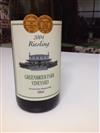
2003 Greenbrier Park Vineyard Riesling
Australia, New South Wales, South Coast, Southern Highlands
{A$20, 11%, screwcap} Low intensity ripe green apple aromas. Surprisingly soft acid, gentle, dry, and really quite mature. Ready to drink.
Post a Comment / Do you find this review helpful? Yes - No
2004 Greenbrier Park Vineyard Sauvignon Blanc
Australia, New South Wales, South Coast, Southern Highlands
{A$30, screwcap} Classic clean modern varietal notes, touch of green, medium intensity aromas. Not unripe, but not too tropical – some gooseberry notes. Medium acid, quite light body and soft yet crisp finish. Pleasantly undemanding. Expensive!
Post a Comment / Do you find this review helpful? Yes - No
2004 Greenbrier Park Vineyard Riesling
Australia, New South Wales, South Coast, Southern Highlands
{A$20, 12%, screwcap} A low intensity nose, but showing honeydew/apple aromas, hinting at sweetness. It is medium-sweet on the palate, quite rich in fruit and on the mid-palate, unobtrusive acid (overshadowed by sweetness) does give some structure. Clean and well-proportioned. Somewhat in the style of modern NZ riesling rather than the strong lime/phenolic style associated with Australian riesling.
Post a Comment / Do you find this review helpful? Yes - No
2004 Greenbrier Park Vineyard Cabernet Merlot
Australia, New South Wales, South Coast, Southern Highlands
{A$24, cork} Medium ruby colour. Plummy notes running second to generally herbaceous aromas. Tight palate, persistent acids, fine, soft low-level tannins. Light weight, moderate length finish. Quite pleasant.
Post a Comment / Do you find this review helpful? Yes - No
2004 Greenbrier Park Vineyard Cabernet Sauvignon
Australia, New South Wales, South Coast, Southern Highlands
{A$22, cork} This wine rather points out the significant influence the Merlot had on the preceding offering. The nose here is more reminiscent of very cool climate shiraz, being composed largely of white pepper and capsicum. The palate lacks the acid expected, being quite soft, and with low-level tannins too. Only mid-weight at best, this is let down a little by a minimal mid- and back-palate. Clearly a better wine with the Merlot.
Post a Comment / Do you find this review helpful? Yes - No