
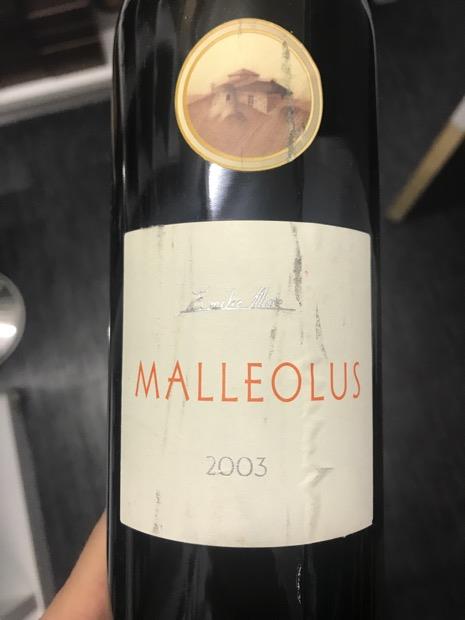
2003 Bodegas Emilio Moro Ribera del Duero Malleolus
Tempranillo
Auction price: Register or sign-in to see quarterly averages
or visit the Wine Market Journal
Drink by: (Add My Drinking Window)
Advertisement
Popular Wines Like This
Who Likes This Wine(3)
-

vagrantone
2,031 Tasting Notes
-
maurinho
6 Tasting Notes
-
uncle al
1,286 Tasting Notes
Community Tasting Notes (11) Avg Score: points
View all 11 Community Tasting Notes
What Do You Think? Add a Tasting Note
Pro Reviews
Professional reviews have copyrights and you can view them here for your personal use only as private content. To view pro reviews you must either subscribe to a pre-integrated publication or manually enter reviews below. Learn more.

-
By Josh Raynolds
(Bodegas Emilio Moro Malleolus Ribera del Duero) Login and sign up and see review text.
September/October 2006, IWC Issue #128, (See more on Vinous...)
NOTE: Some content is property of Vinous.
Add a Pro Review
Add Your Own Reviews:
Wine Definition
- Vintage2003
- TypeRed
- ProducerBodegas Emilio Moro
- VarietyTempranillo
- DesignationMalleolus
- Vineyardn/a
- CountrySpain
- RegionCastilla y León
- SubRegionn/a
- AppellationRibera del Duero
- Display optionsDefault
5/29/2021 - vagrantone Likes this wine: 87 Points
First bottle tried from this producer.
Clearly a more "modern" style with plenty of extraction and little acidity.
This was undoubtedly drinking better 5-10 years ago.
The Tempranillo character is there but in a slightly "heavy footed" way; surely a reflection of the 2003 vintage.
Doesn't have the elegance and balance of a Pesquera but is more like a "Mauro"
drink up.
Do you find this review helpful? Yes - No / Comment
8/17/2014 - Dave Dalluge wrote: 91 Points
First of six bottles purchased on release. No notes taken, but this showed really well upon first opening and then seemed to fade over the ensuing two hours. After a disastrous '01 the night before, I'm thinking I should drink the rest of these sooner rather than later.
Do you find this review helpful? Yes - No / Comment
12/14/2012 - uncle al Likes this wine: 89 Points
A very nice Ribera wine which should be drank now. In my opinion a little past its prime but still a very nice food wine
Do you find this review helpful? Yes - No / Comment
12/15/2011 - uncle al wrote: 91 Points
A very smooth wine with red fruit. Medium finish and goes well with almost any meat dish.
Do you find this review helpful? Yes - No / Comment
12/6/2010 - 3daywinereview.com wrote: 92 Points
Minneapolis wine club: Ribera del Duero vs. Priorat (Kristen's House): Nice wine overall with spice, leather, cherry, and coffee beans on the nose. The palate shows similar character and the finish is medium. Well made wine and drinking window is less than five years. Decanted one hour.
Do you find this review helpful? Yes - No / Comment